
Cycling Apparel Manufacturing, Built Around How You Ride and How You Buy
A club's seasonal reorder, a startup's first small batch, a shop's house-brand restock, and an event's one-time deadline don't run through the same process here — pick the one that's yours.
Two Ways In.
Most manufacturers make you fit their process. What if the process fit your order instead?
A generic cycling apparel factory runs one workflow for everyone — a club's seasonal reorder, a startup's first small batch, a shop's restock, and an event's one-time deadline all get squeezed through the same steps, at the same pace, with the same paperwork. This factory routes by two independent variables instead. How you ride decides fabric, seam construction, and chamois density. How you buy decides which production track — repeat-roster, first-collection, house-brand, or fixed-date — your order runs on. Answer both below, and the rest of this page organizes itself around your answer.
- 4 Buyer Paths, 4 Production TracksClubs & teams, brands & DTC, bike shops & retailers, and events each run on their own track below, not one shared queue.
- 6 Riding Scenarios Mapped to Fit & FabricPosture, surface, duration, and environment each pull a different construction choice.
- 20–30 Day Bulk Window, Counted Backward From Your DateEvery lead-time number on this page is built to be read backward from a season or event date, not forward from an order date.

Cycling Apparel Categories We Manufacture
Core garments and accessories this factory builds, in photos.
Cycling Apparel
 Cycling Jerseys
 Cycling Shorts
 Cycling Jackets
 Cycling Vests
 Cycling Base Layers
 Cycling Kit
Cycling Accessories
 Cycling Caps
 Arm Warmers
 Leg Warmers
 Knee Warmers
Cycling Apparel by Riding Scenario
Six ways riders actually use this factory's kit, shown in the scenario — not laid flat on a table.
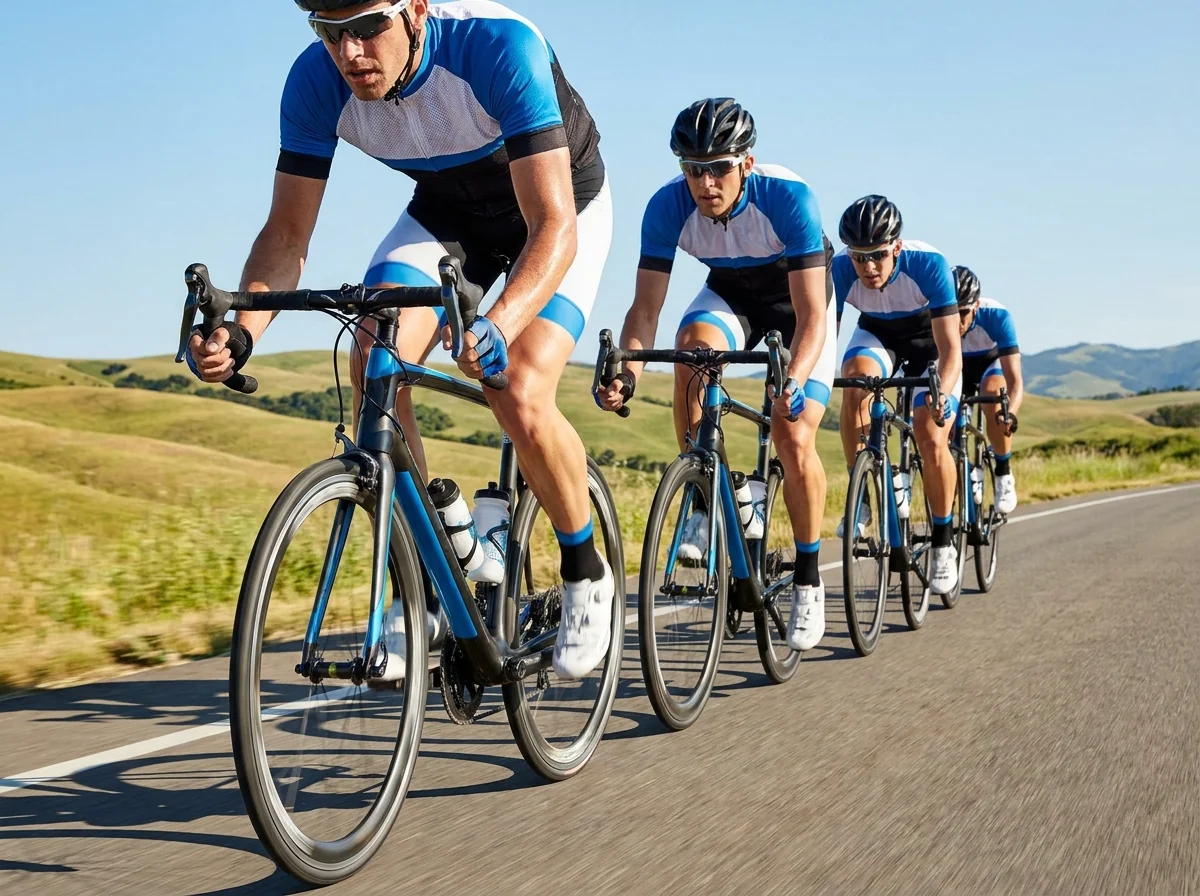
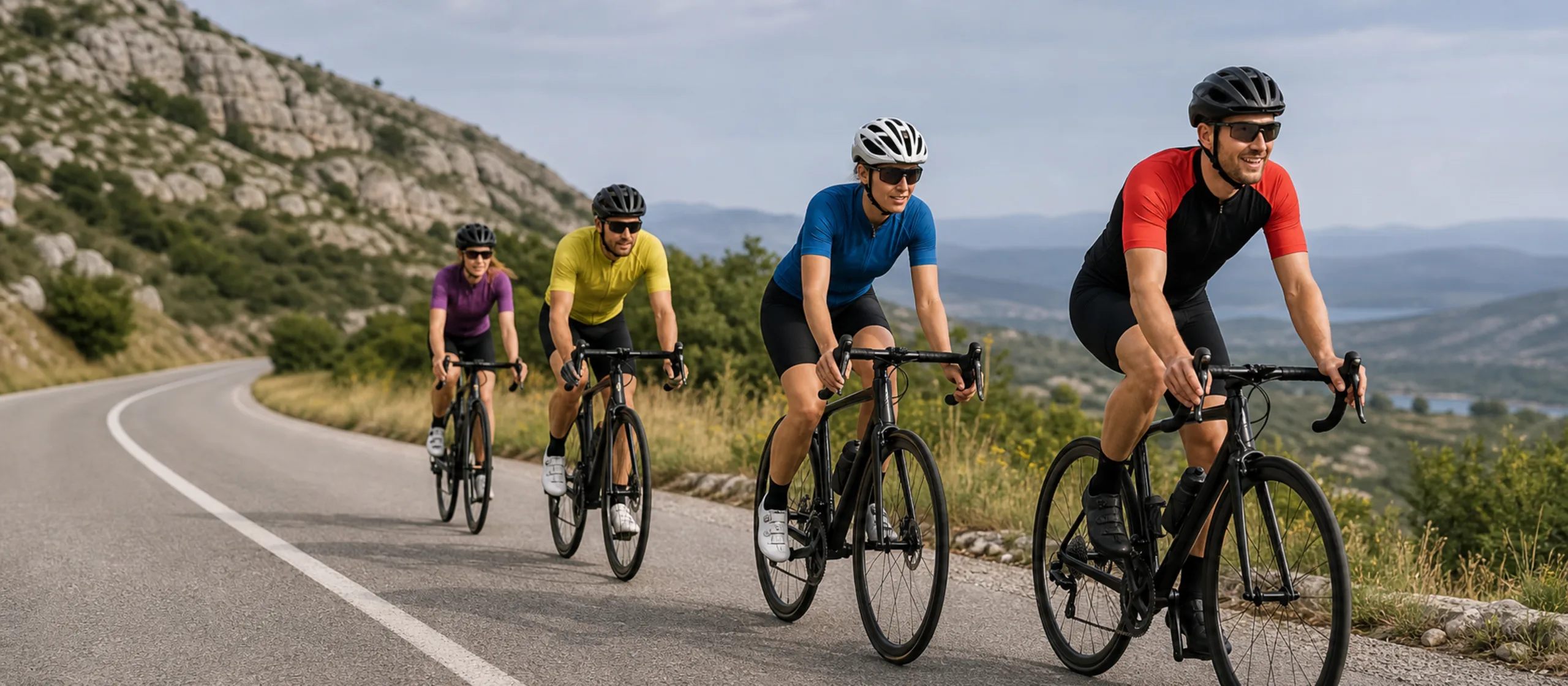
Road Cycling Apparel
Aero-fit jerseys and bib shorts built for the forward-leaning posture and sustained speed of paved-road racing.
Custom Road Cycling Apparel →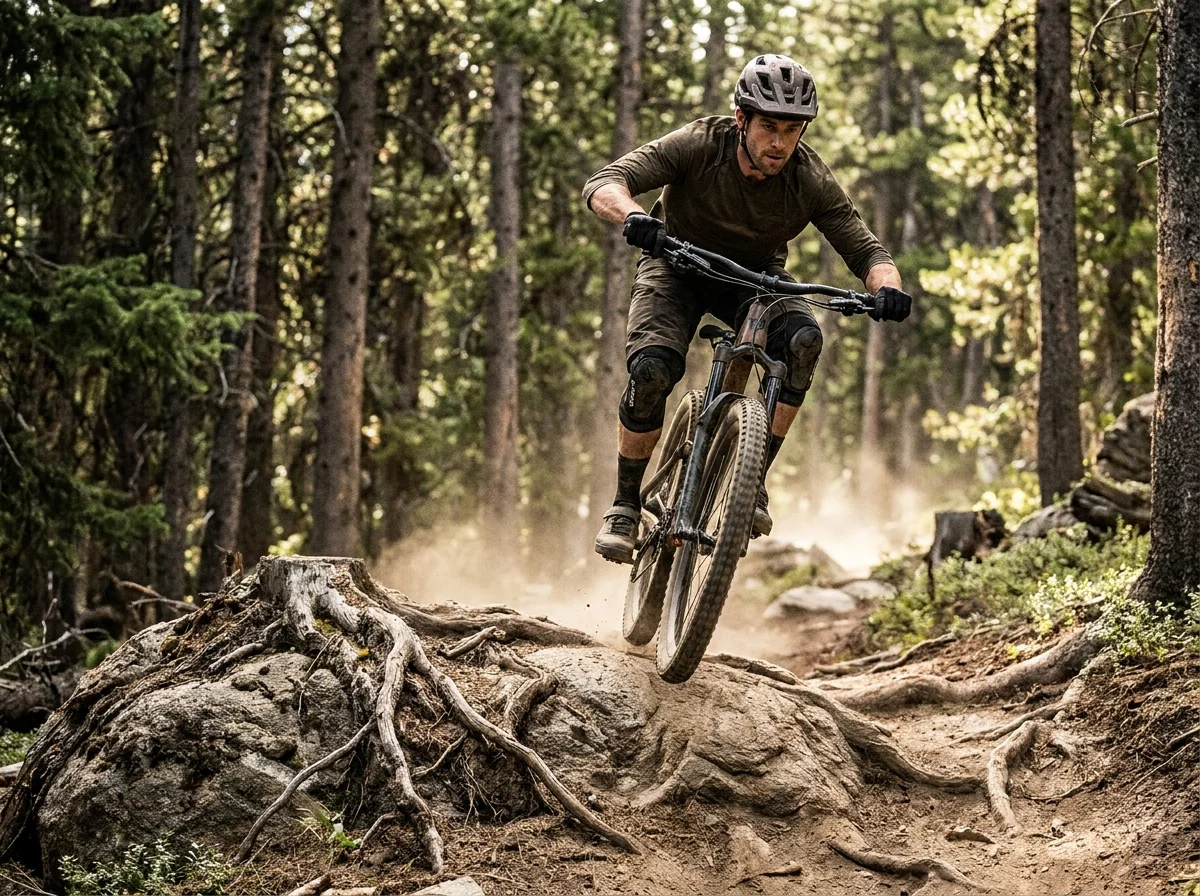
MTB Cycling Apparel
Durable, freedom-of-movement jerseys and shorts built to take off-road abrasion, dust, and an aggressive trail posture.
Custom Mountain Bike Apparel →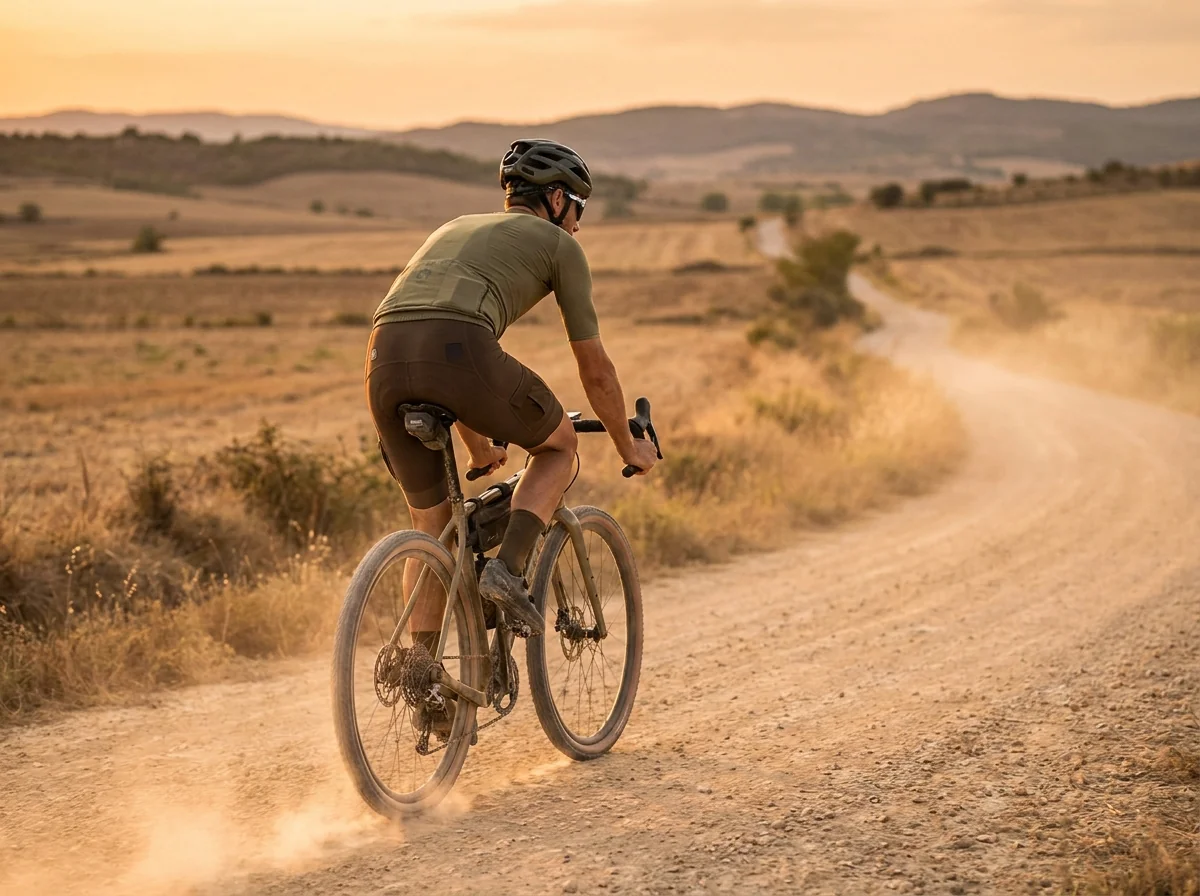
Gravel Cycling Apparel
Reinforced fabric and a more relaxed fit for mixed paved/unpaved surfaces and long, dusty miles.
Custom Gravel Cycling Apparel →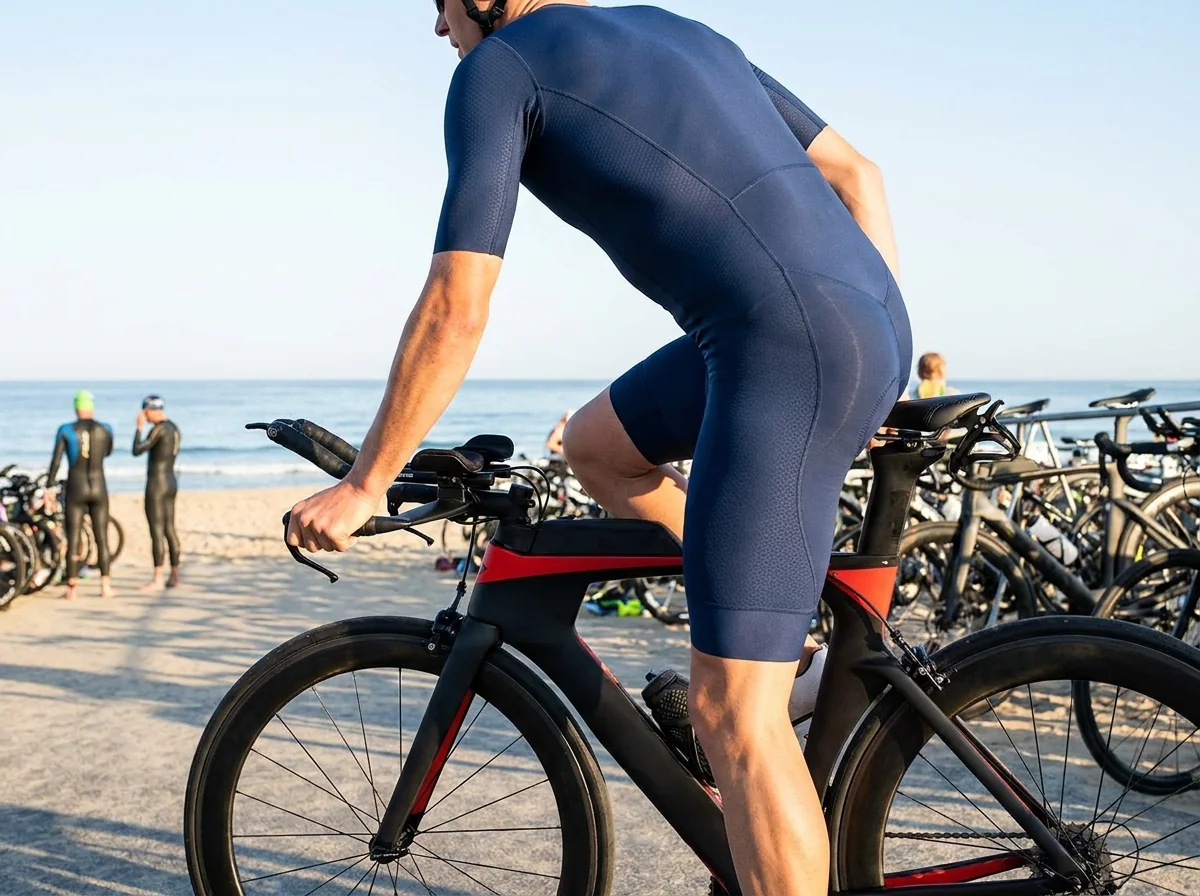
Triathlon Apparel
Seamless one-piece tri suits built for a fast T1-to-bike transition and multi-discipline comfort.
Page Coming Soon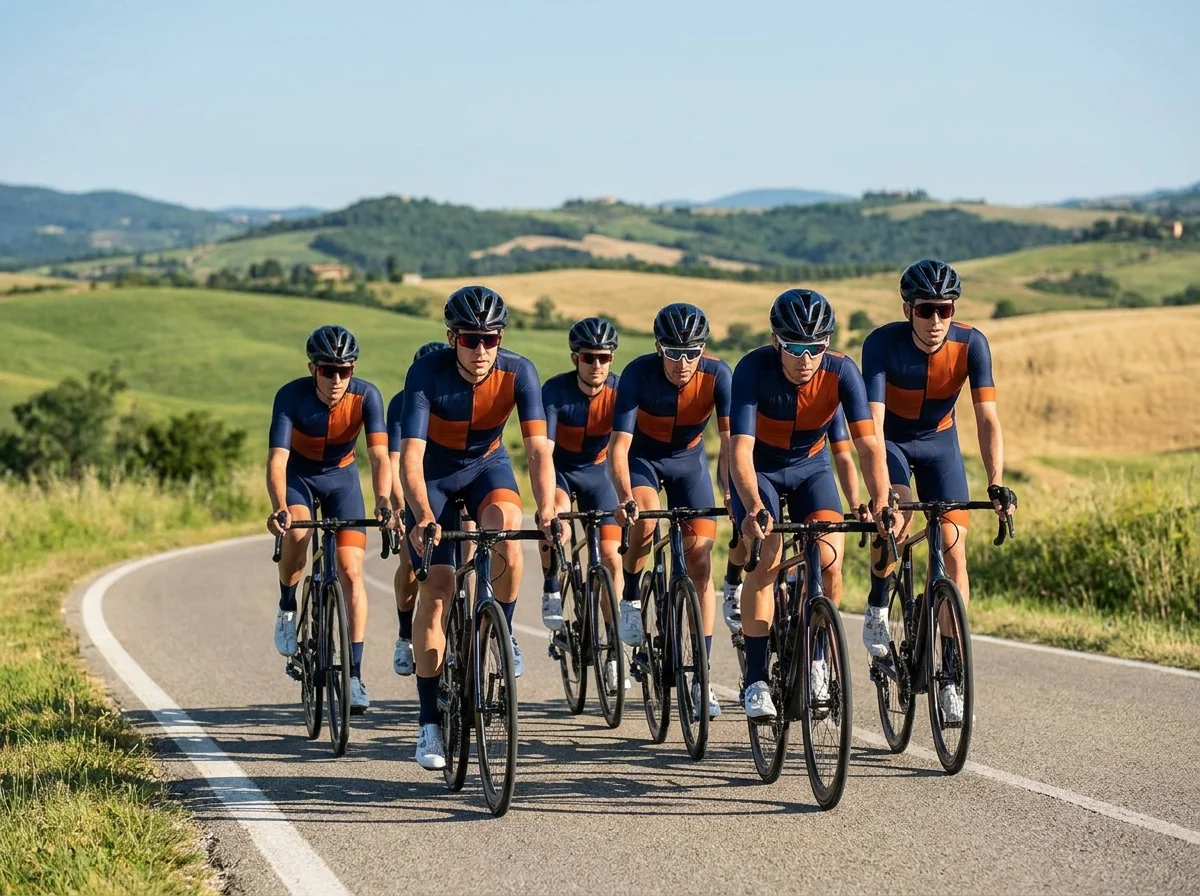
Cycling Teams & Clubs Apparel
Matching kit sets that keep a full roster visually unified, mile after mile.
Cycling Teams & Clubs Apparel →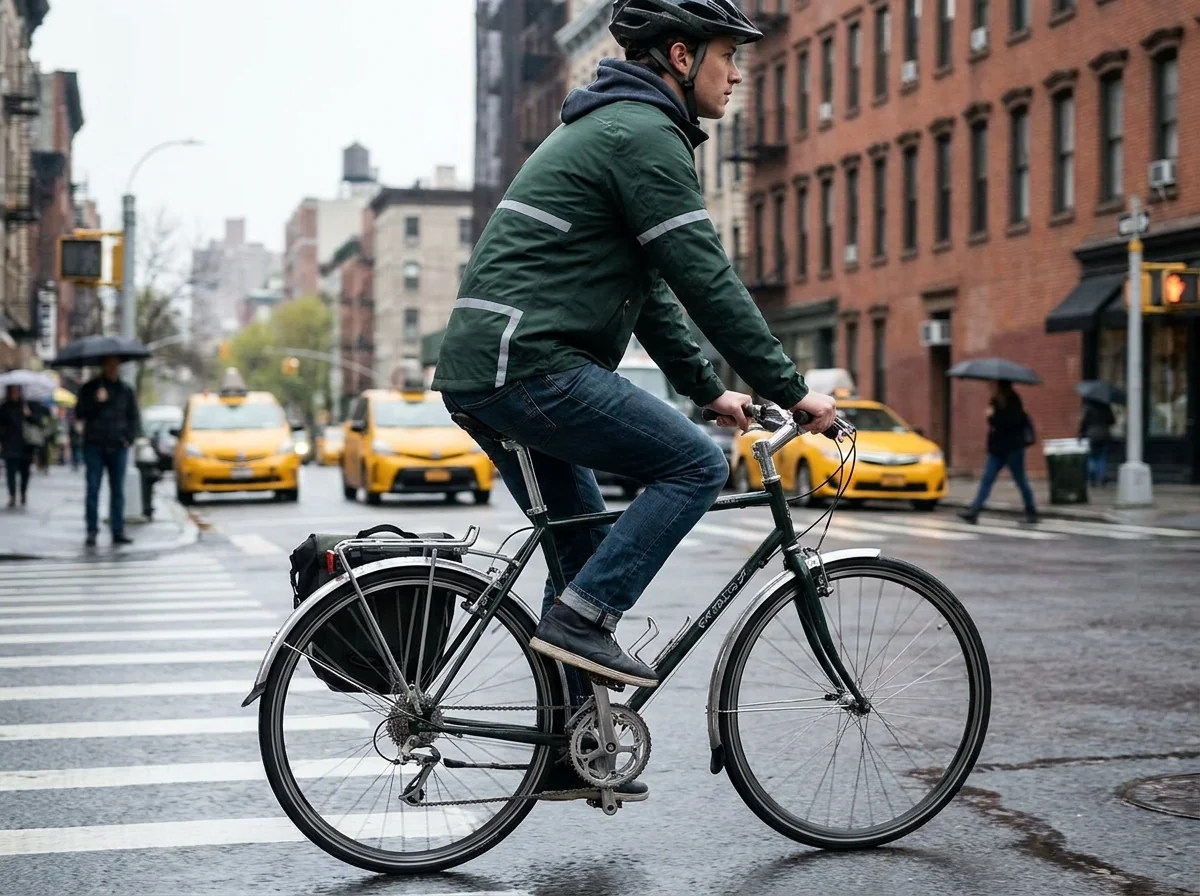
Commuter Cycling Apparel
Weatherproof, reflective everyday wear built for short, all-weather city rides.
Custom Commuter Cycling Apparel →Starting Without a Finished Design
Most first-season DTC brands walk in with a concept, not a finished tech pack — here's what that route actually looks like.
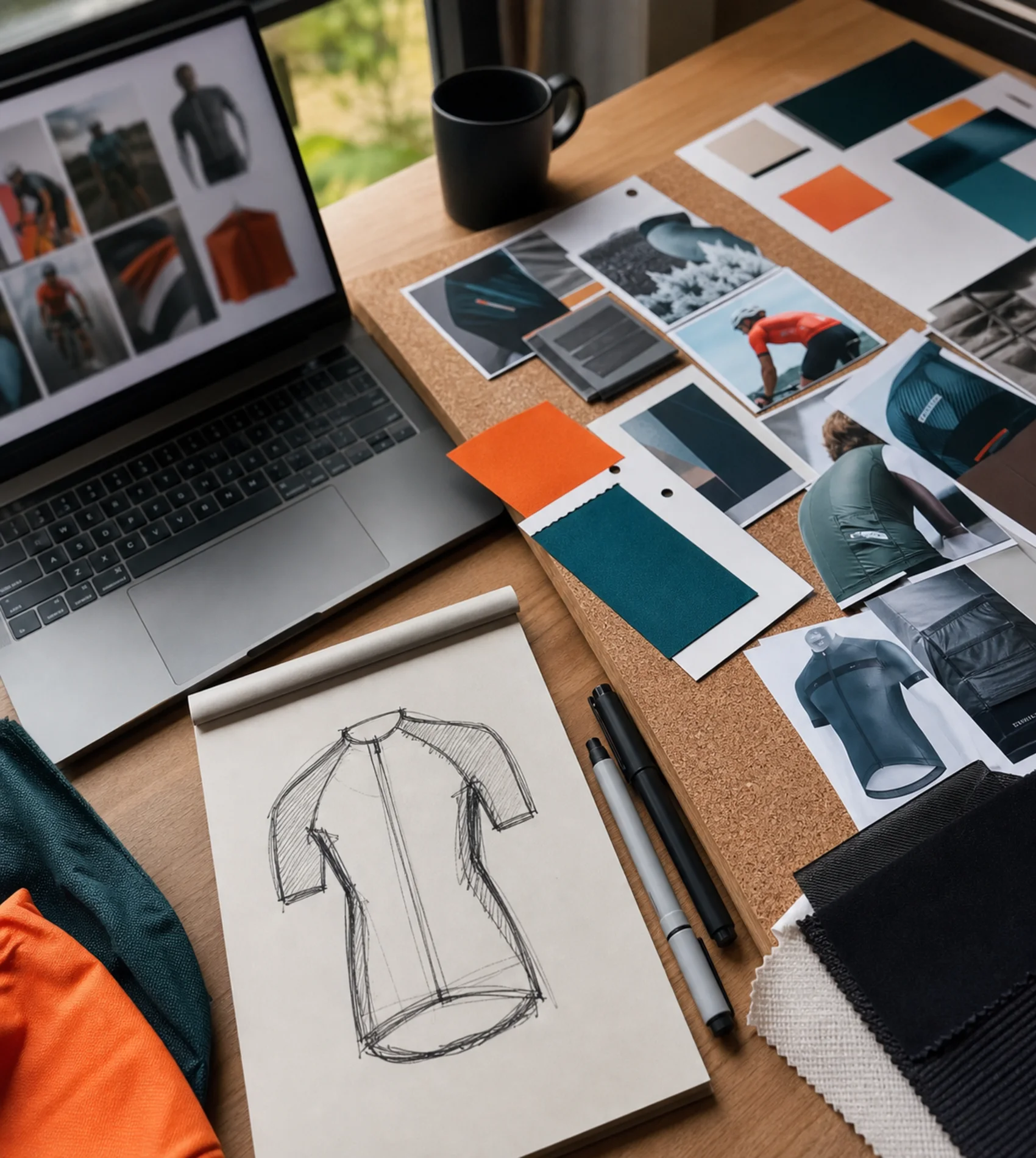
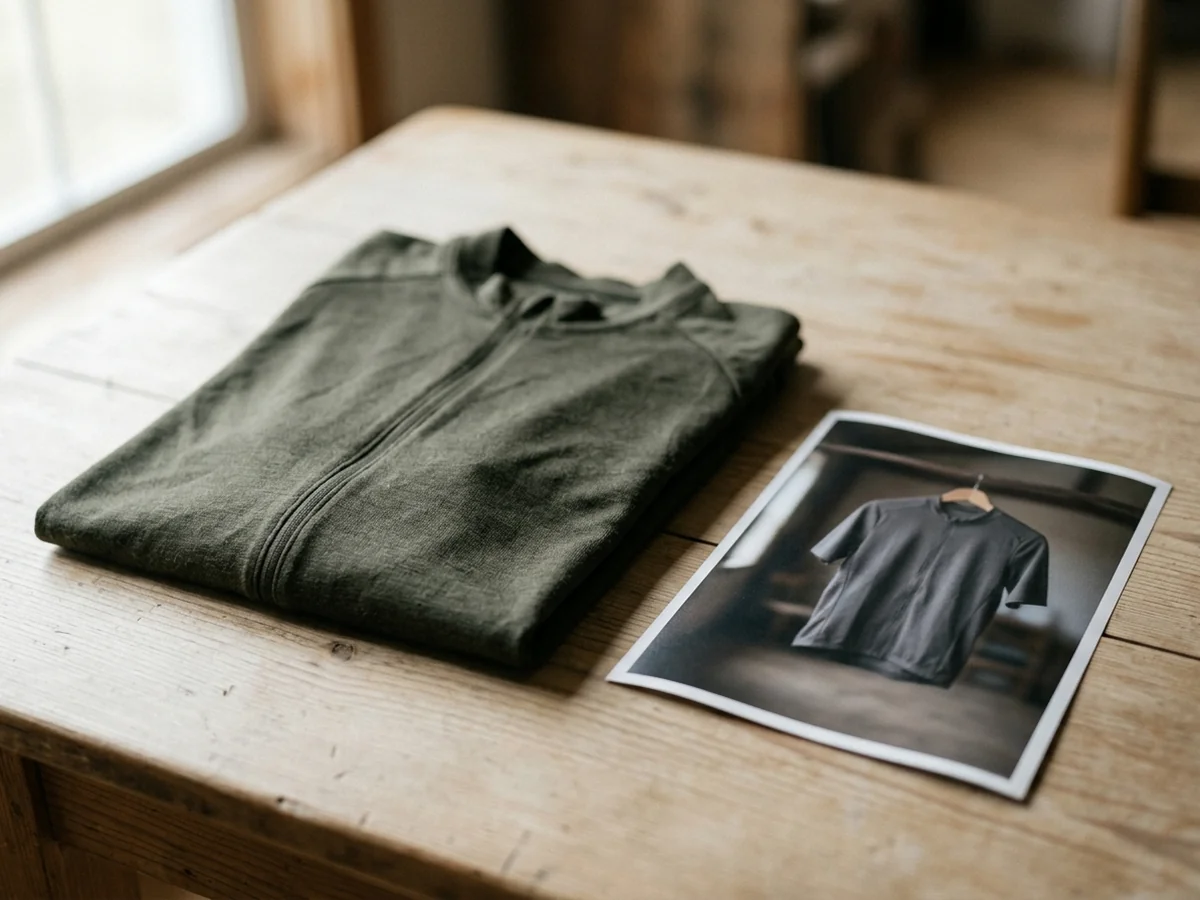
A concept-stage brief doesn't stall production planning here. What opens a file is a direction, not a finished document — the factory turns that direction into a proposal you confirm or redirect before a single pattern piece gets cut.
- Reference Images Open the FileScreenshots, competitor photos, or a rough sketch are enough for the first brief — a formal spec sheet isn't required to start the conversation.
- Fabric and Fit Get Proposed Back to YouAgainst your references, a fabric tier and base pattern get suggested; you confirm, adjust, or point at a different riding scenario before cutting starts.
- The First Sample Becomes the De Facto SpecOnce fabric and fit are confirmed, that physical sample is what every later piece gets checked against — standing in for the document you didn't start with.
| Starting Point | What We Need From You | What Comes Back First |
|---|---|---|
| Concept only | Reference images + rough quantity | Fabric & fit proposal to confirm |
| Partial tech pack | Confirmed fabric or fit, open color/decoration | Quote, with the missing spec filled in |
What a Complete Tech Pack Contains
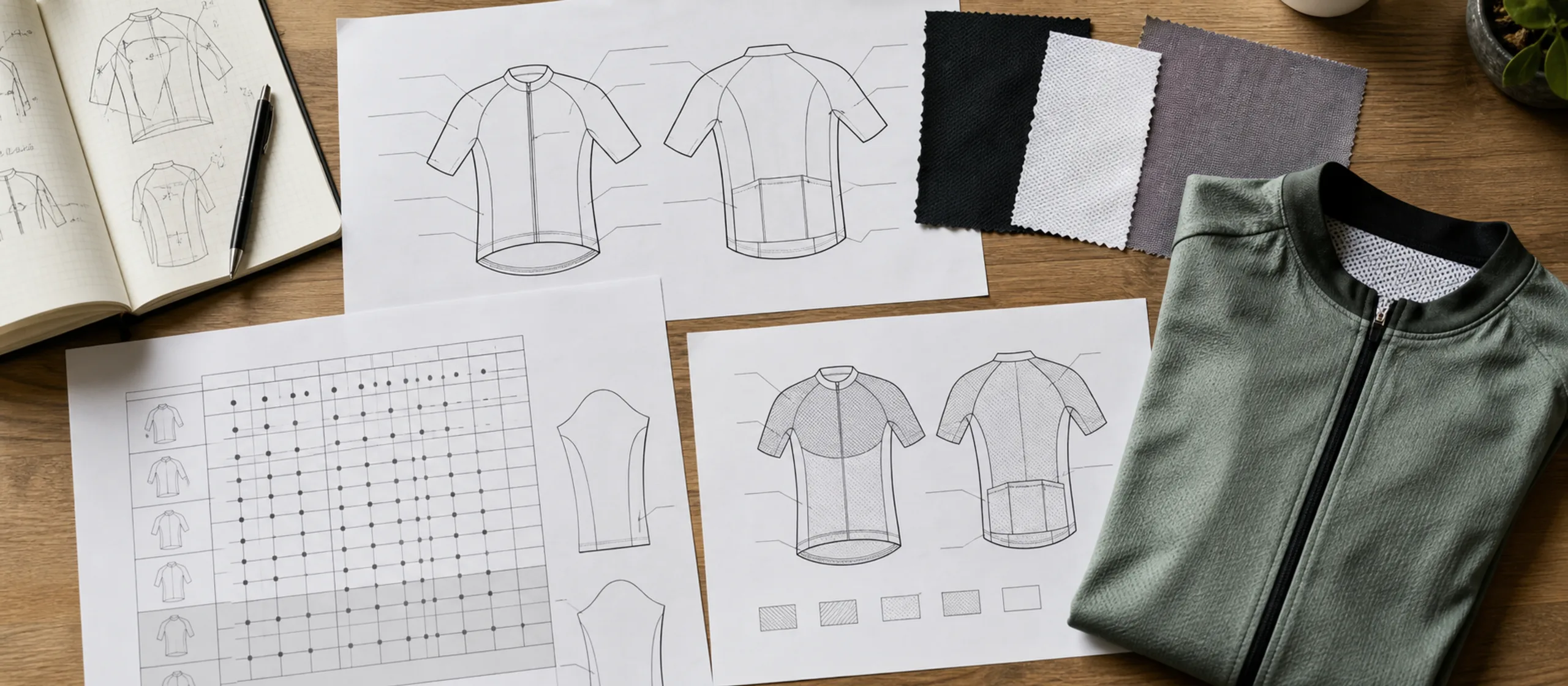
The entry point that reaches a firm number the fastest — six pieces, most of them already sitting in a designer's files.
Buyers who already have a complete tech pack skip the proposal-and-confirm loop above entirely. Tech Pack Confirmation is step two of the seven-step sequence for a reason — once these six pieces are complete, review and costing can run without waiting on anything else.
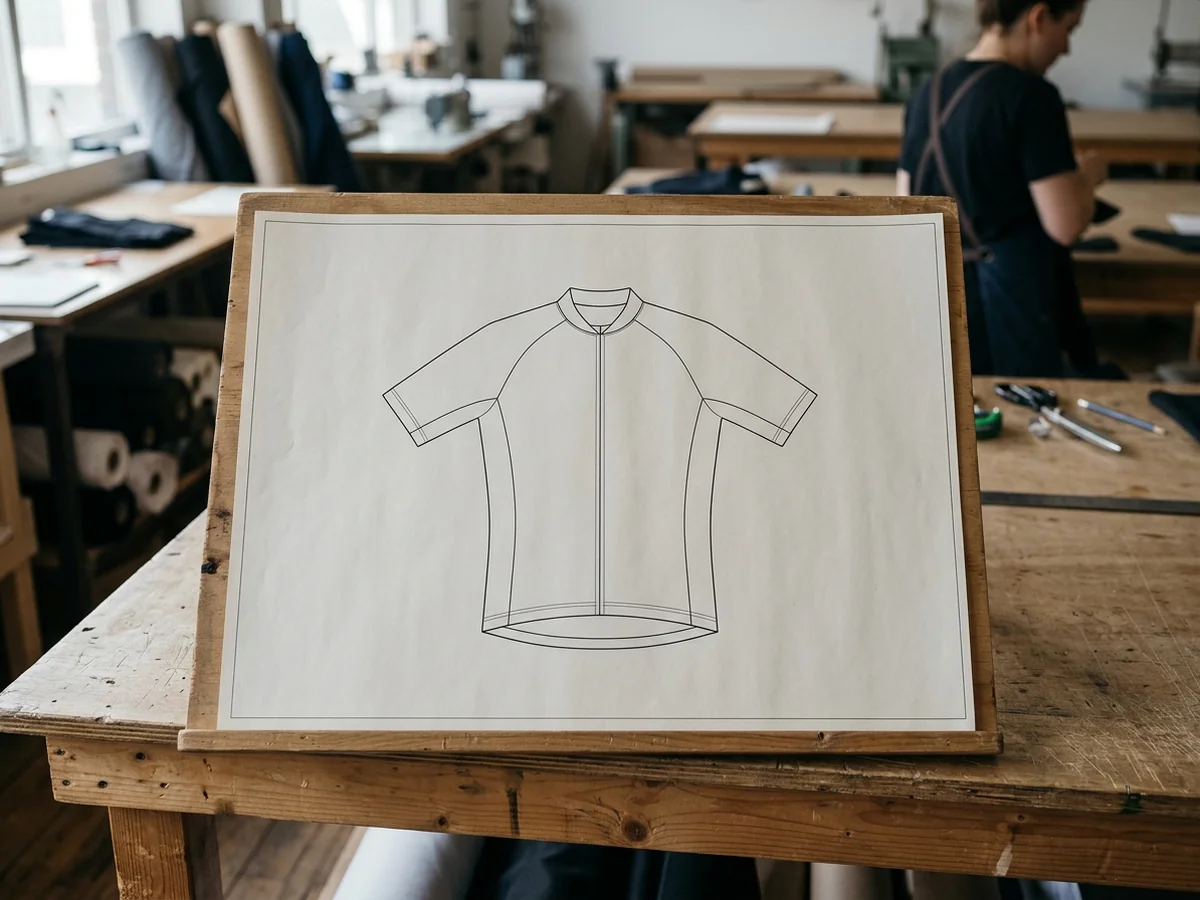
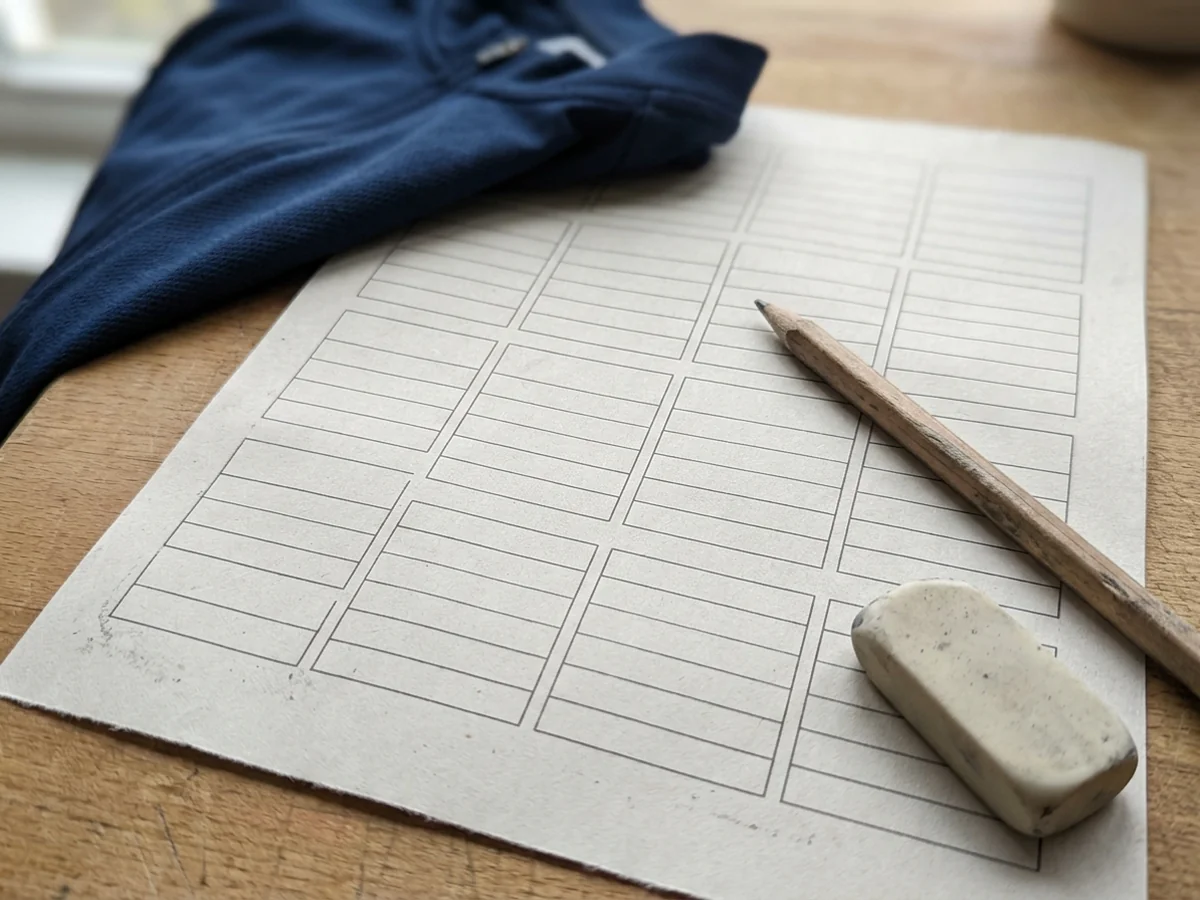
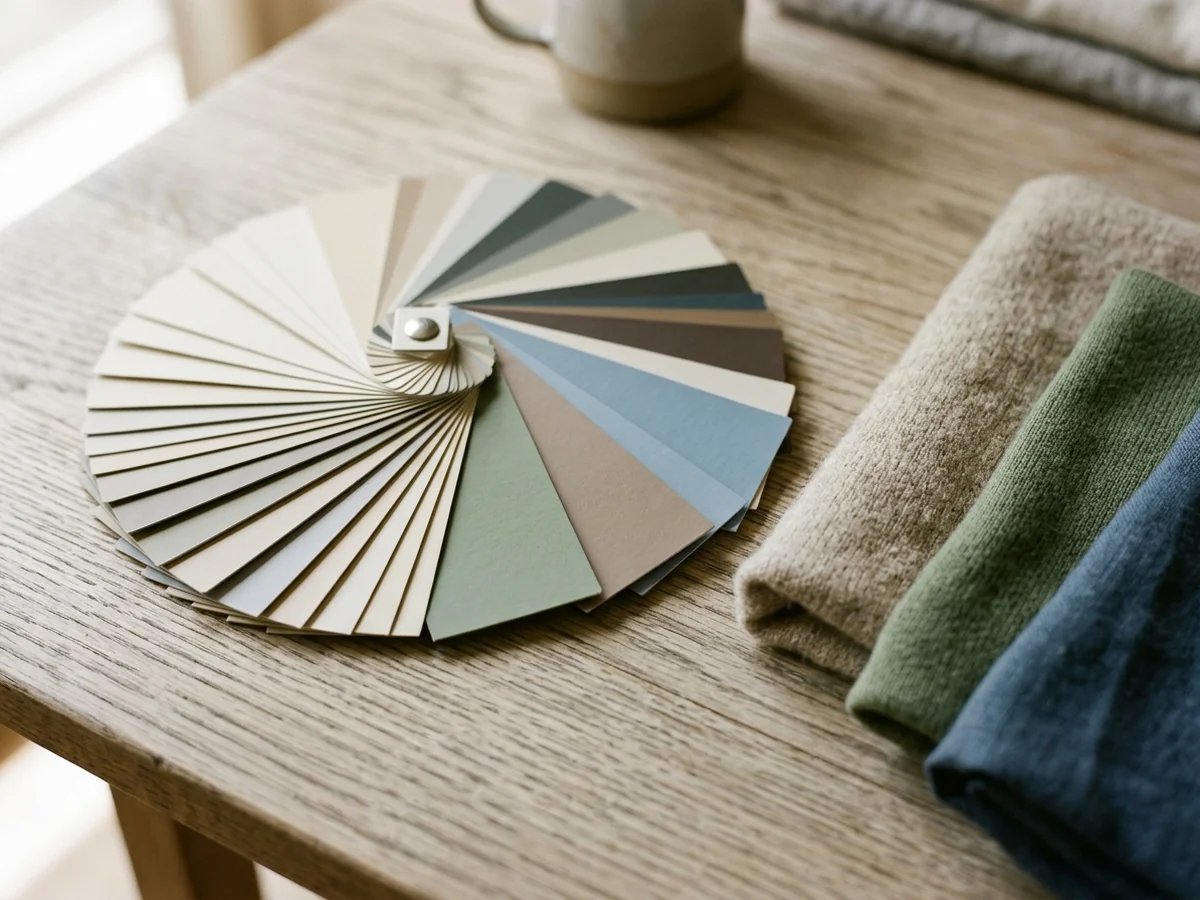
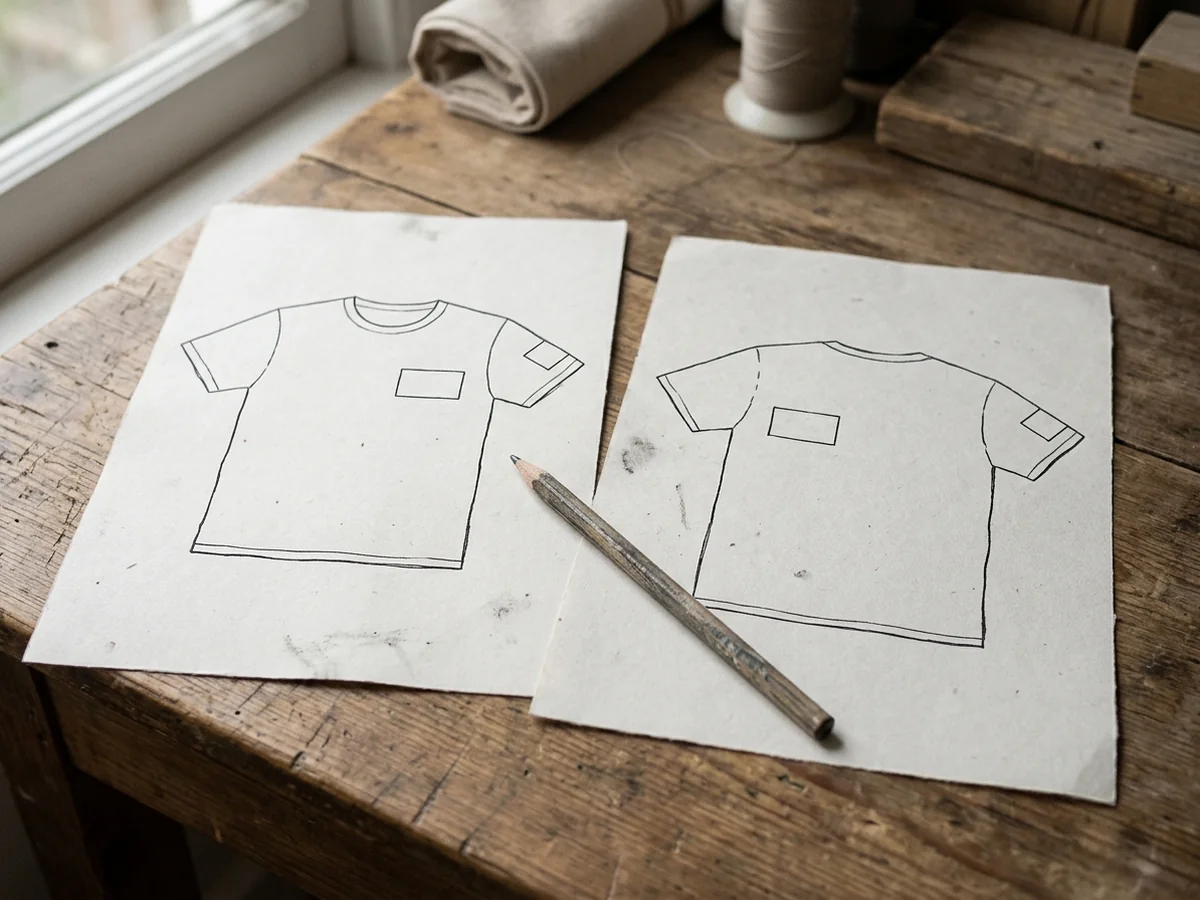
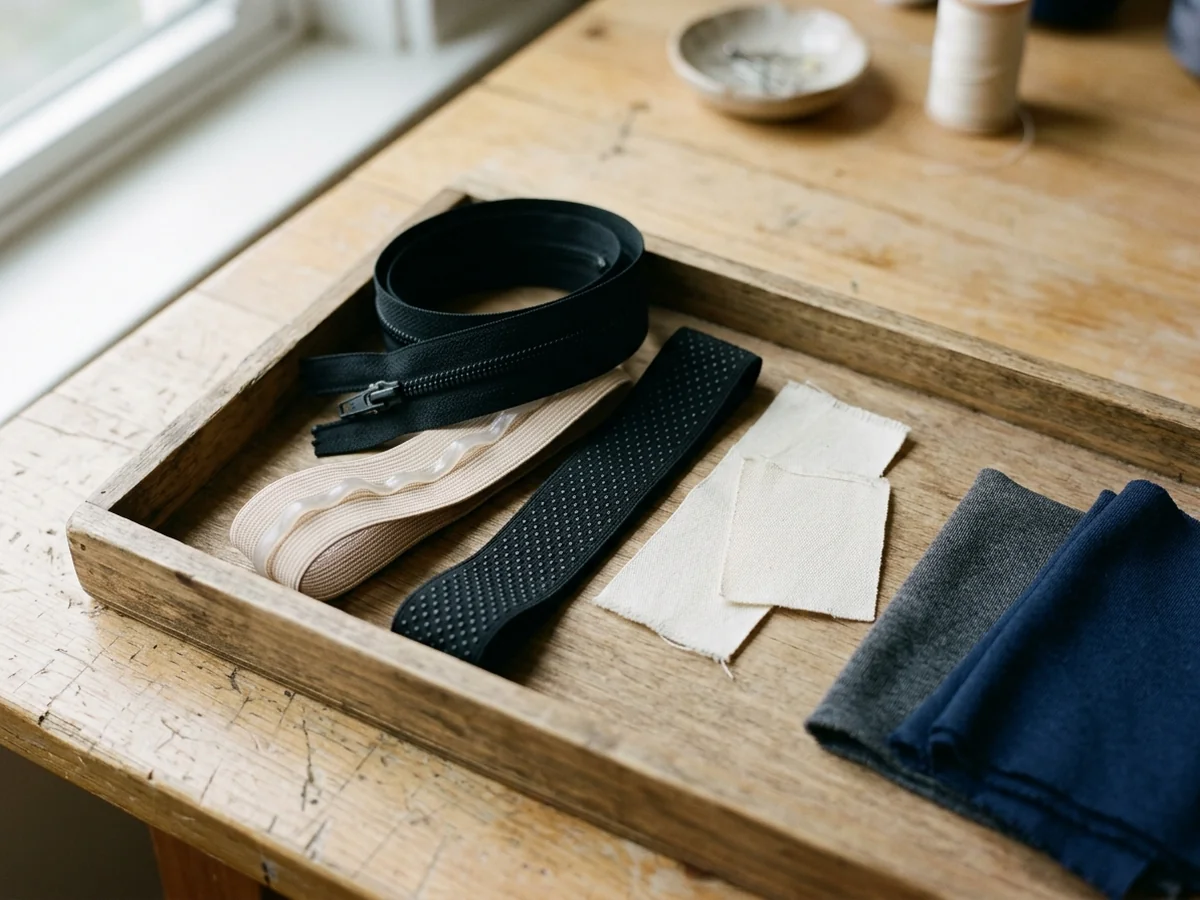
Missing one or two of these doesn't send a brief back to square one — it just means the quote that comes back carries a short list of what's still open, not a blank refusal.
Already Know Your Path? Start Now
You've just worked out which of the four paths is yours.
Start Your Kit ConversationThe Fabrics Behind Every Garment
Eight fabric families this factory keeps in regular production, from lightweight mesh to weatherproof membranes.
 Polyester Fabrics
 Polyester-Elastane Fabrics
 Nylon-Elastane Fabrics
 Merino Blends
 Mesh Fabrics
 Thermal / Brushed Fabrics
 Softshell / Membrane Fabrics
 Custom High-Performance Fabrics
Five Decoration Methods.One Production Partner.
Match the right process to your artwork, fabric placement, and how the garment gets used.
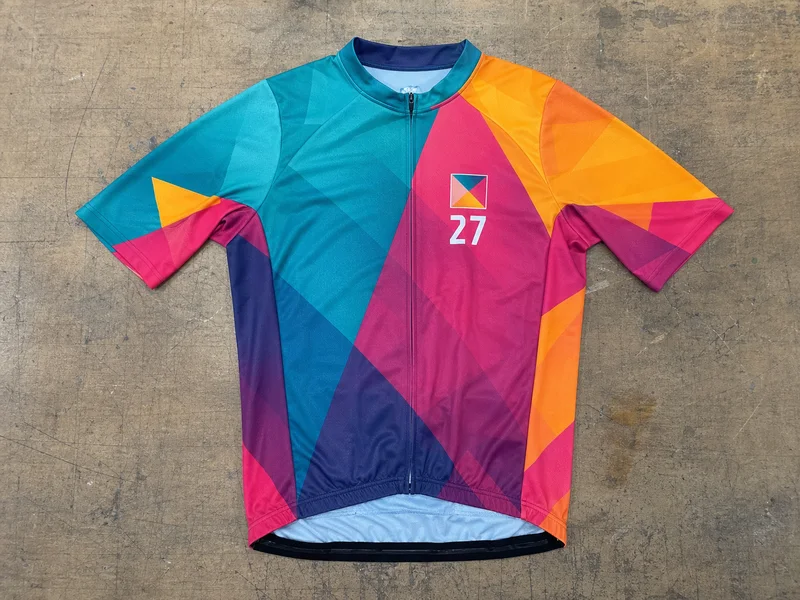
All-Over Sublimation
Unlimited colors. Breathable finish.
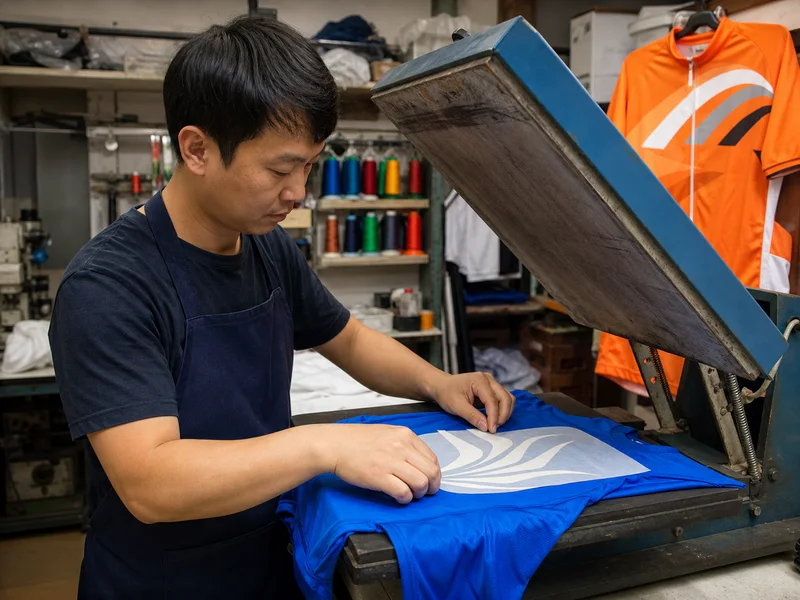
Heat Transfer
Sharp detail. Fast turnaround.
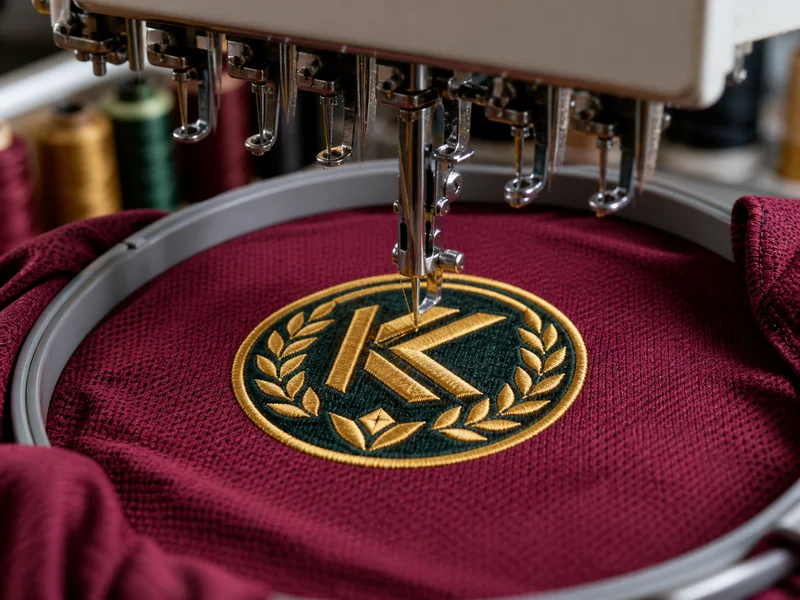
Computerized Embroidery
Raised texture. Built to last.
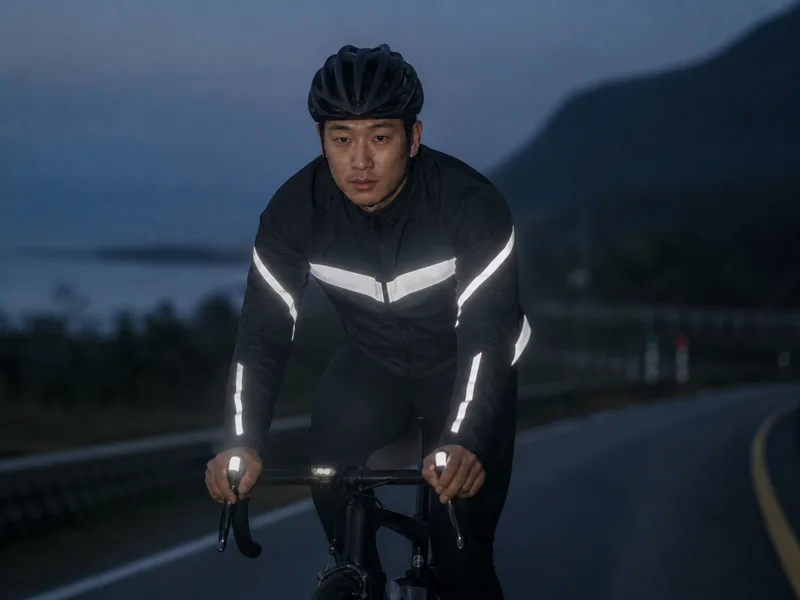
Reflective Print & Strips
High visibility. All-weather ready.
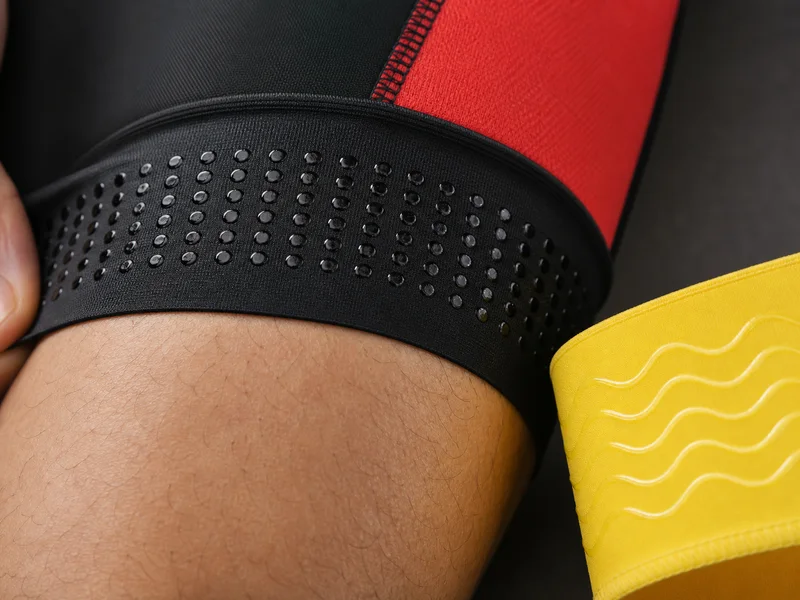
Silicone Anti-Slip Grip
Functional grip. Custom placement.
What Each Decoration Method Needs From Your Artwork
The five methods above call for different file types — sending the right one the first time skips a revision round.
- All-Over Sublimation & Heat TransferVector artwork (AI, EPS, or PDF) with colors called out as CMYK or Pantone, plus a placement diagram showing where each graphic sits on the panel.
- Computerized EmbroideryA clean logo with distinct color blocks digitizes best — very fine text or dense multicolor detail gets flagged and simplified before stitching starts, not after.
- Reflective Print & StripsPlacement only needs to be marked on the pattern, not fully vectorized — the reflective material itself runs from a standard strip stock, not a custom print.
- Silicone Anti-Slip GripA placement diagram at cuff or hem is enough — the grip pattern itself comes from the factory's standard tooling, so no artwork file is needed for this one.
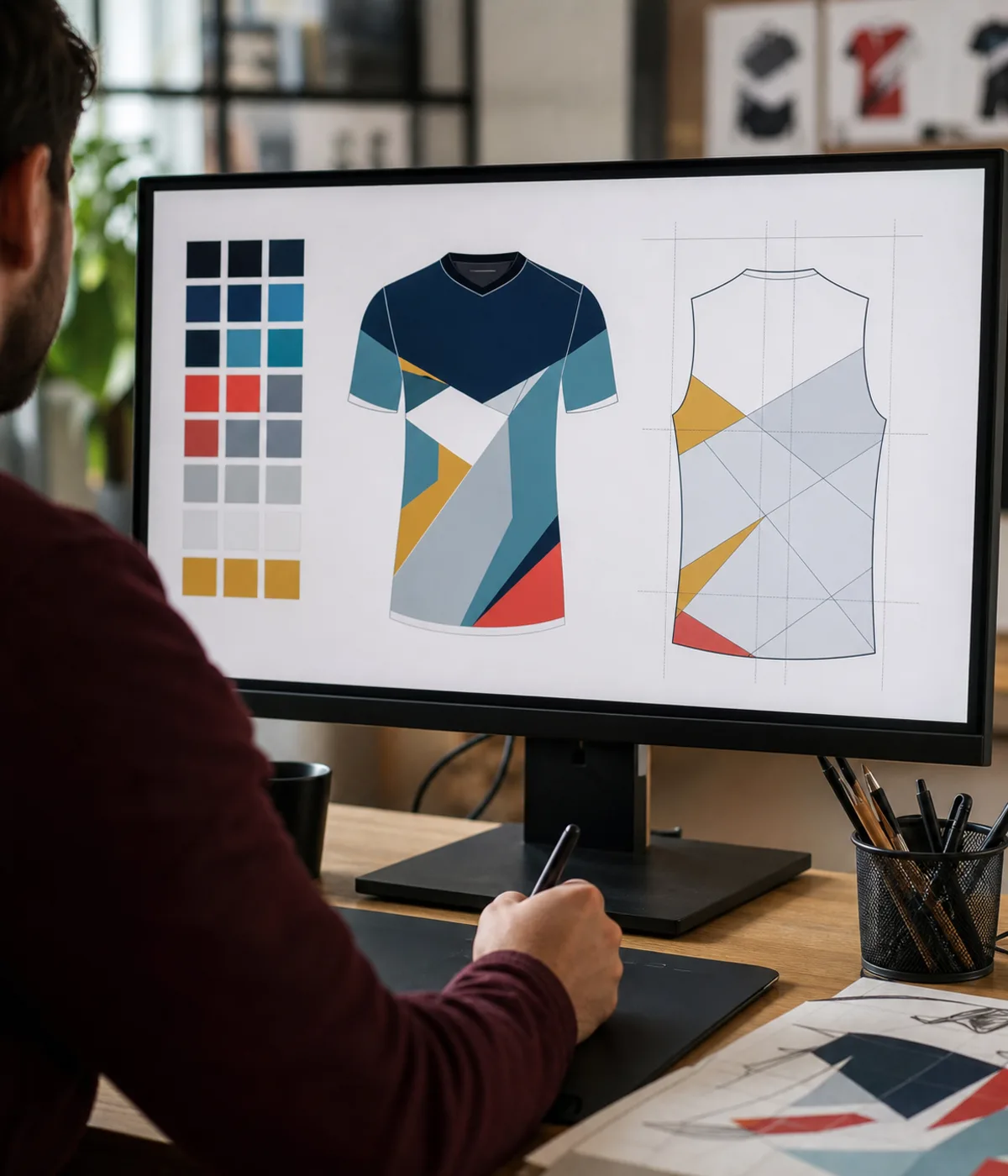
AI, EPS, or PDF — the format sublimation and heat transfer artwork should arrive in.
JPG or PNG files work for direction and mood, but aren't used as final print-ready art.
A swatch, a garment, or a photographed sample mailed or photographed in — useful anywhere a file alone doesn't answer the question.
Packaging & Labeling for Private-Label Orders
A private-label first collection needs its own main label and packaging, not this factory's — here's what that program covers.
- Woven or Printed Main LabelSewn into the neck or side seam per your placement call — woven reads as a higher-end finish, printed turns around faster.
- Hangtag & Size StickerYour artwork on blank tag stock, plus a printed size sticker matched to your grading table from the tech pack above.
- Individual Poly Bag or Fold PresentationEach piece bagged and folded to a consistent presentation before it goes into the shipping carton.
- Carton Marking for Your Own SKU SystemCartons labeled by style, color, and size breakdown so a receiving process doesn't have to reopen every box to sort it.
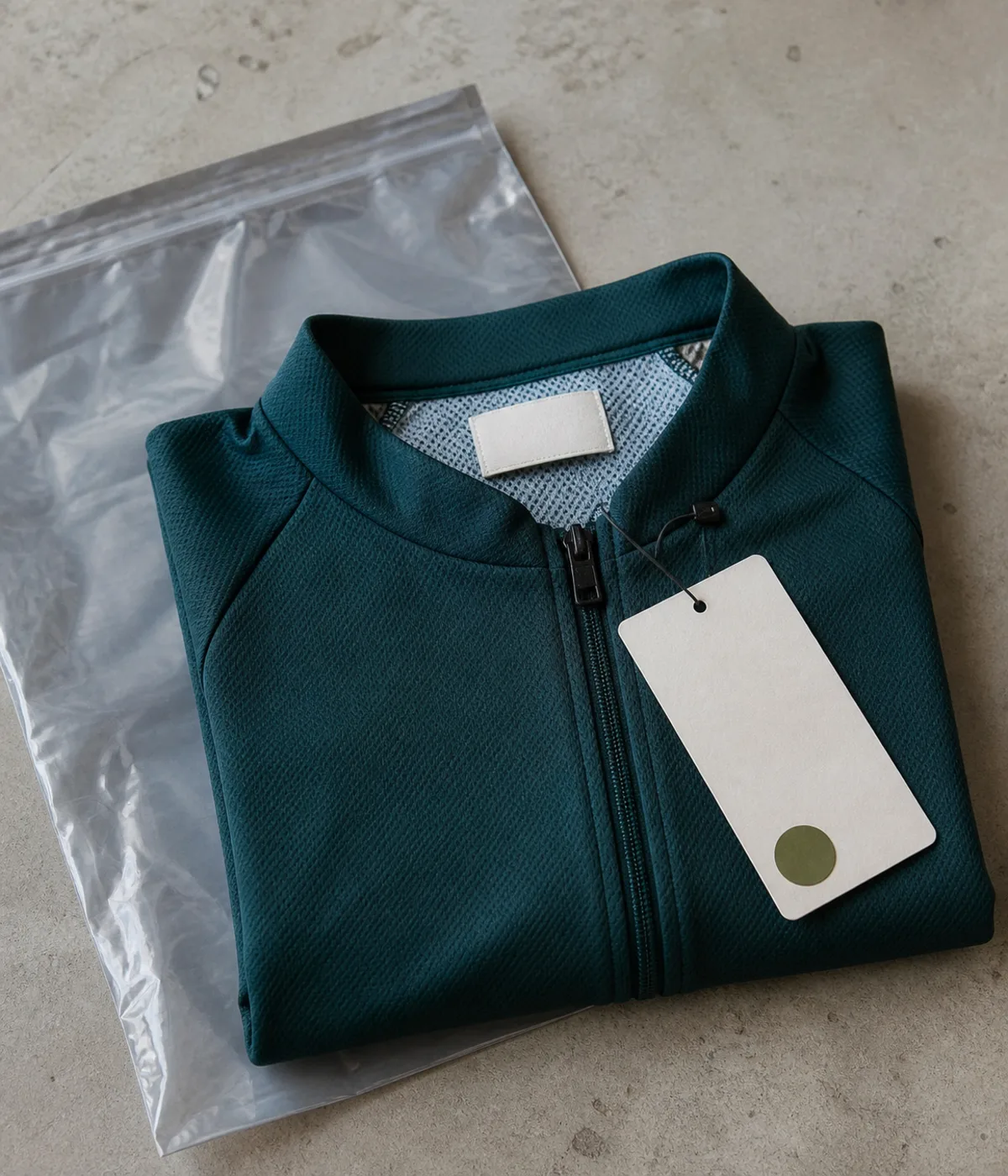
| Label Type | Feel | Best For |
|---|---|---|
| Woven | Higher-end, slightly raised texture | Brands leading with a premium first collection |
| Printed | Flat, faster turnaround | Faster first-season timelines or budget-conscious runs |
Seven Steps From Brief to Shipped Kit
The same sequence for every buyer path — the starting point differs by how much of the design is already yours (OEM: complete tech pack · ODM: concept + reference images · Private Label: minimal spec work).
Brief & Reference Intake
Riding scenario, fabric direction, chamois reference if relevant.
Tech Pack Confirmation & Quote
Quote within 48 hours of a complete tech pack.
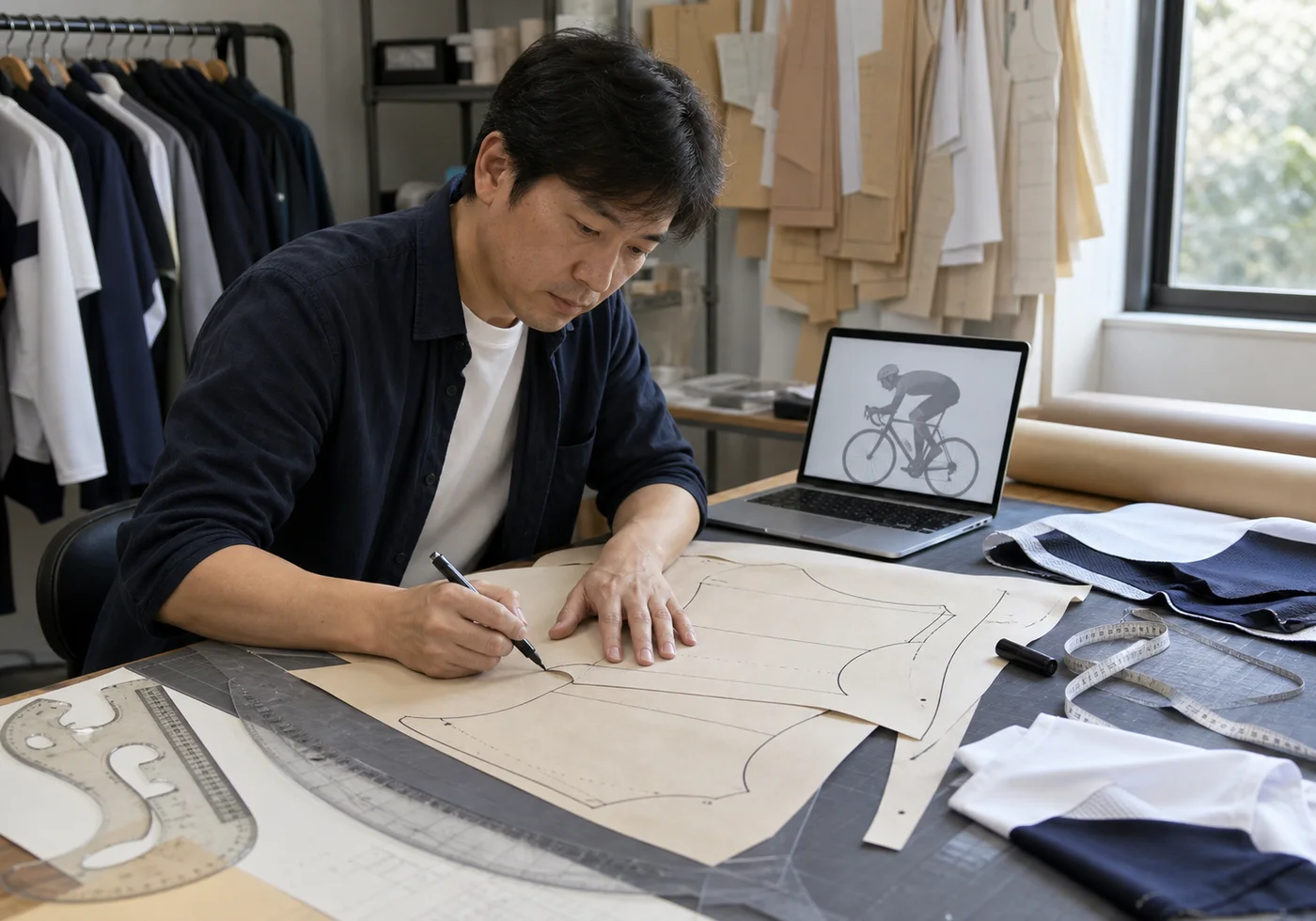
Pattern & Fit Development
Drafted against the riding posture/scenario axis confirmed in step 1.
Sampling
One physical sample per specification, 5–7 days.
Sample Review & Revision
2 rounds included at no extra sampling fee.
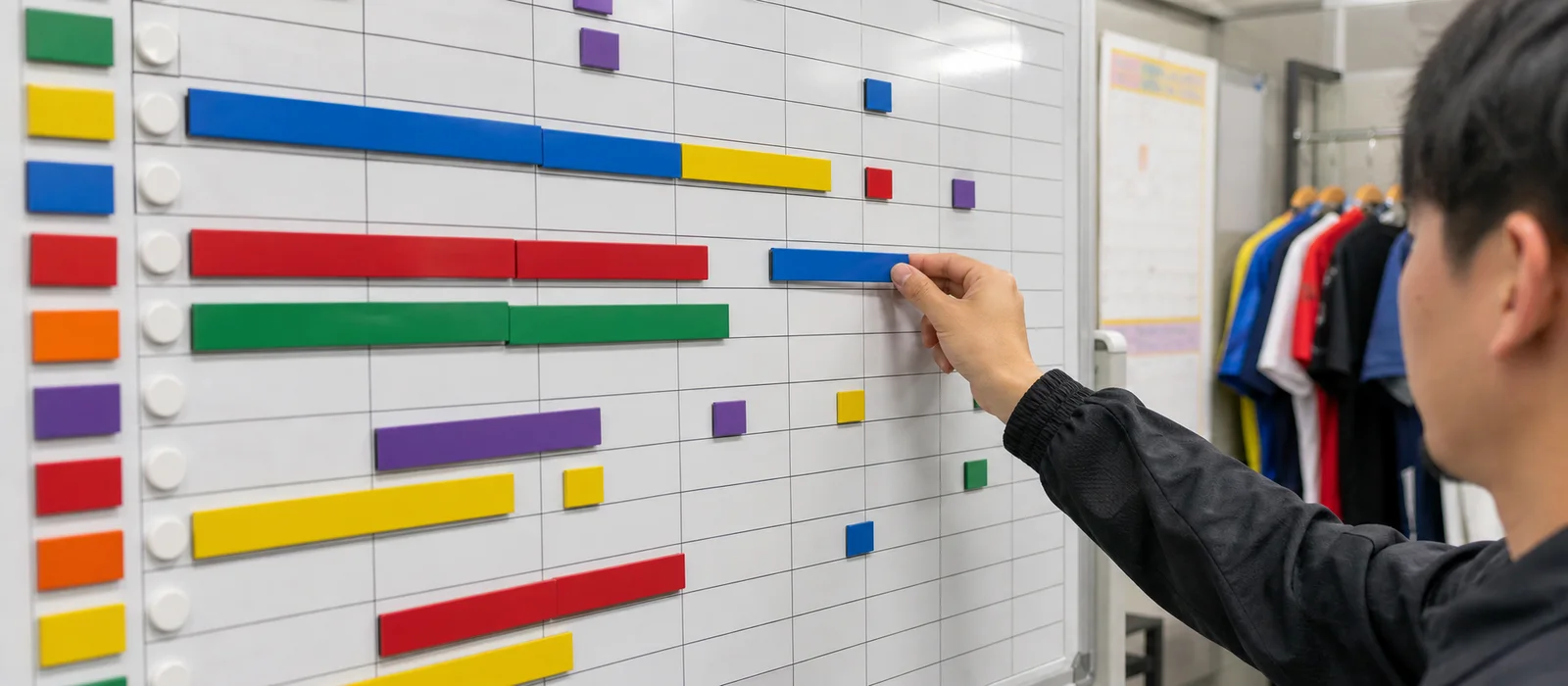
Bulk Production Scheduling
Sign-off releases the line slot; 20–30 days from sign-off, rush option 12–15 days if confirmed in advance.
QC & Shipment
Inspected against the signed-off sample before release; six checkpoints in the Quality Control section below.
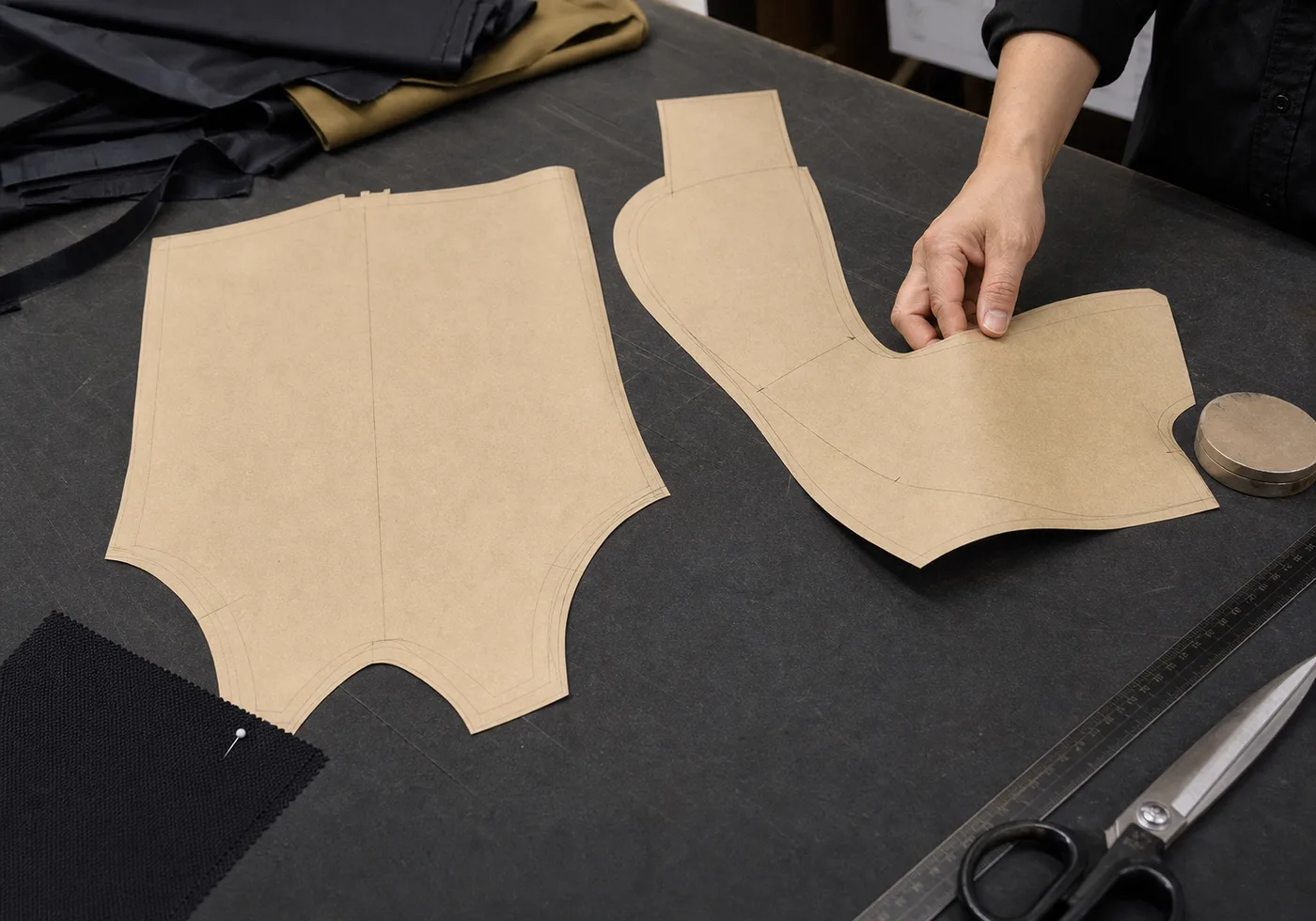
From Riding Posture to Pattern Changes
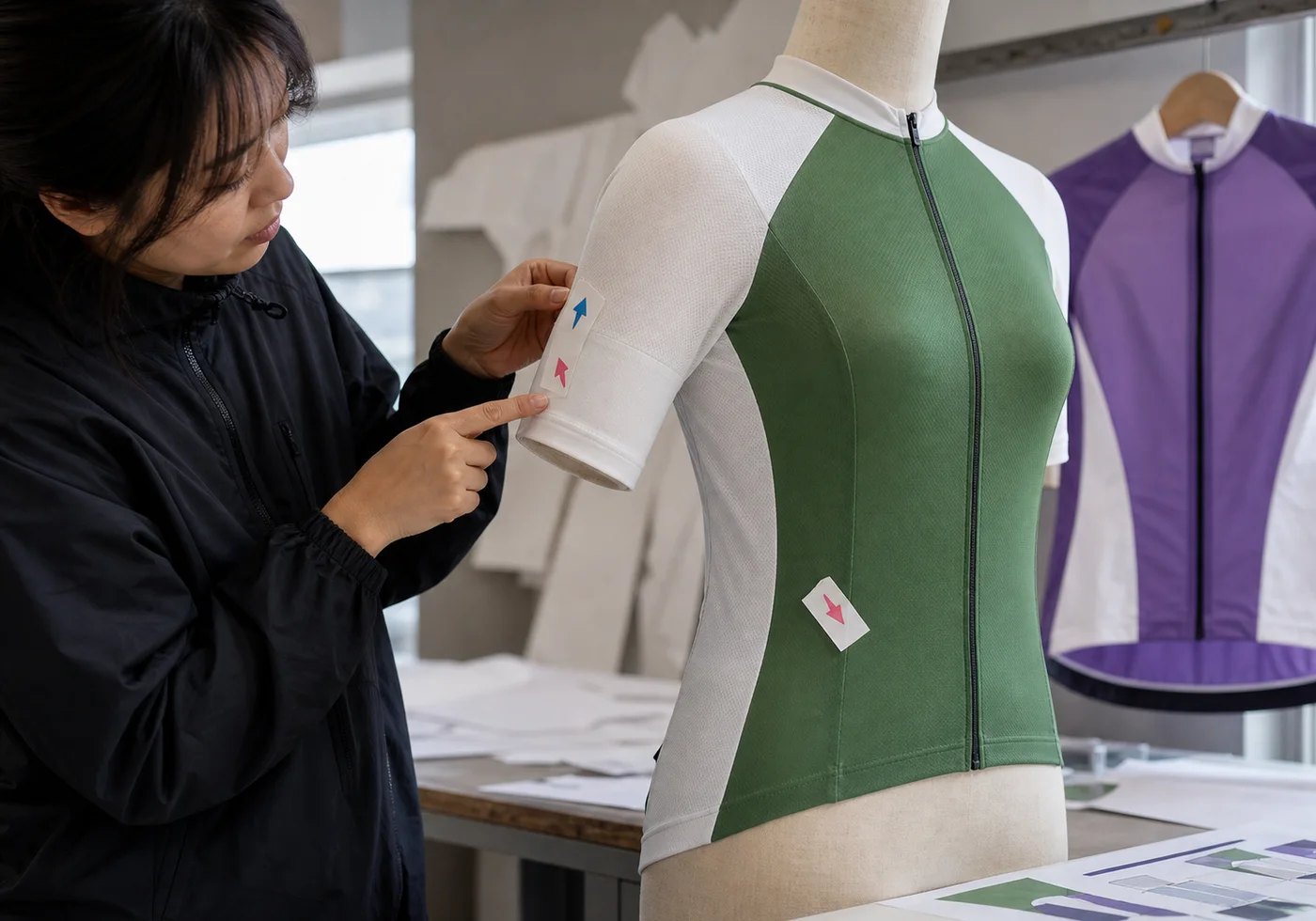
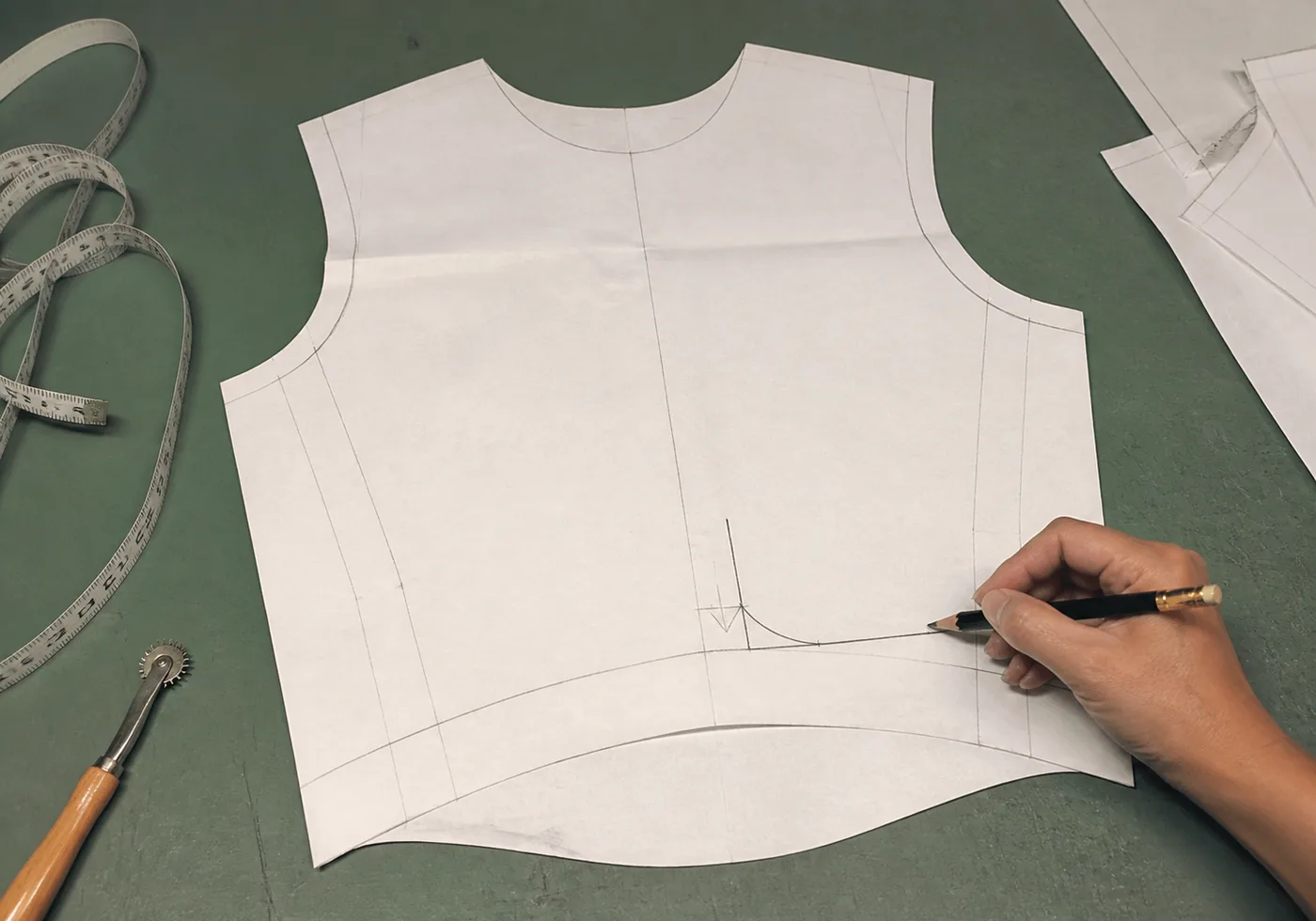
The four axes used to sort riders into scenarios above aren't just labels — each one changes a specific line on the pattern.
- Forward-Leaning Posture Extends the Front PanelRoad and gravel cuts run a longer front rise and shorter back rise than an upright commuter cut, so the jersey doesn't gap open at the chest when bent over the bars.
- Off-Road Surface Adds Articulation at the KneeMountain bike and bikepacking patterns build in extra ease across the knee and seat, since the seated angle changes constantly and abrasion risk runs higher.
- Session Duration Changes Seam PlacementFlatlock seams move away from high-contact zones — inner thigh, underarm — on anything cut for multi-hour sessions, where a standard overlock seam starts to chafe.
- Environment Decides the Base Layer ConstructionAn indoor-training cut skips the wind layer entirely for breathability, while an all-weather commuter or gravel cut adds it back as a separate laminate panel.
| Axis | Pattern Change | Where It Applies |
|---|---|---|
| Posture | Front/back rise balance | Road, gravel |
| Surface | Knee & seat articulation | Mountain bike, bikepacking |
| Duration | Seam placement away from contact zones | Bikepacking, road |
| Environment | Wind/laminate layer present or omitted | Indoor training vs. commuter, gravel |
Ready to Start Your Development?
Whichever step of the sequence above applies to you, the next move is the same message.
Start Your Kit ConversationInside the Factory: Lines, Capacity, and People
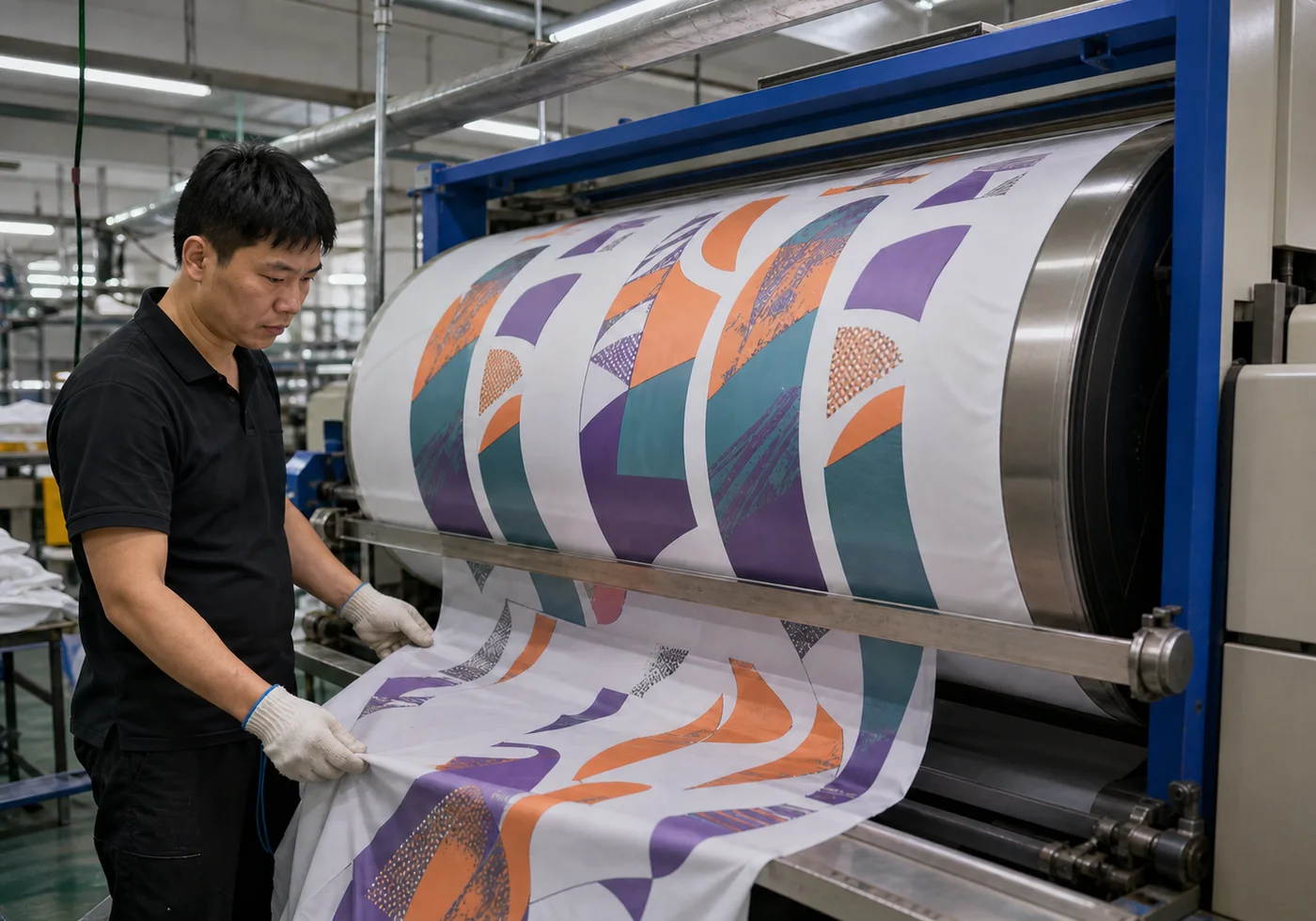
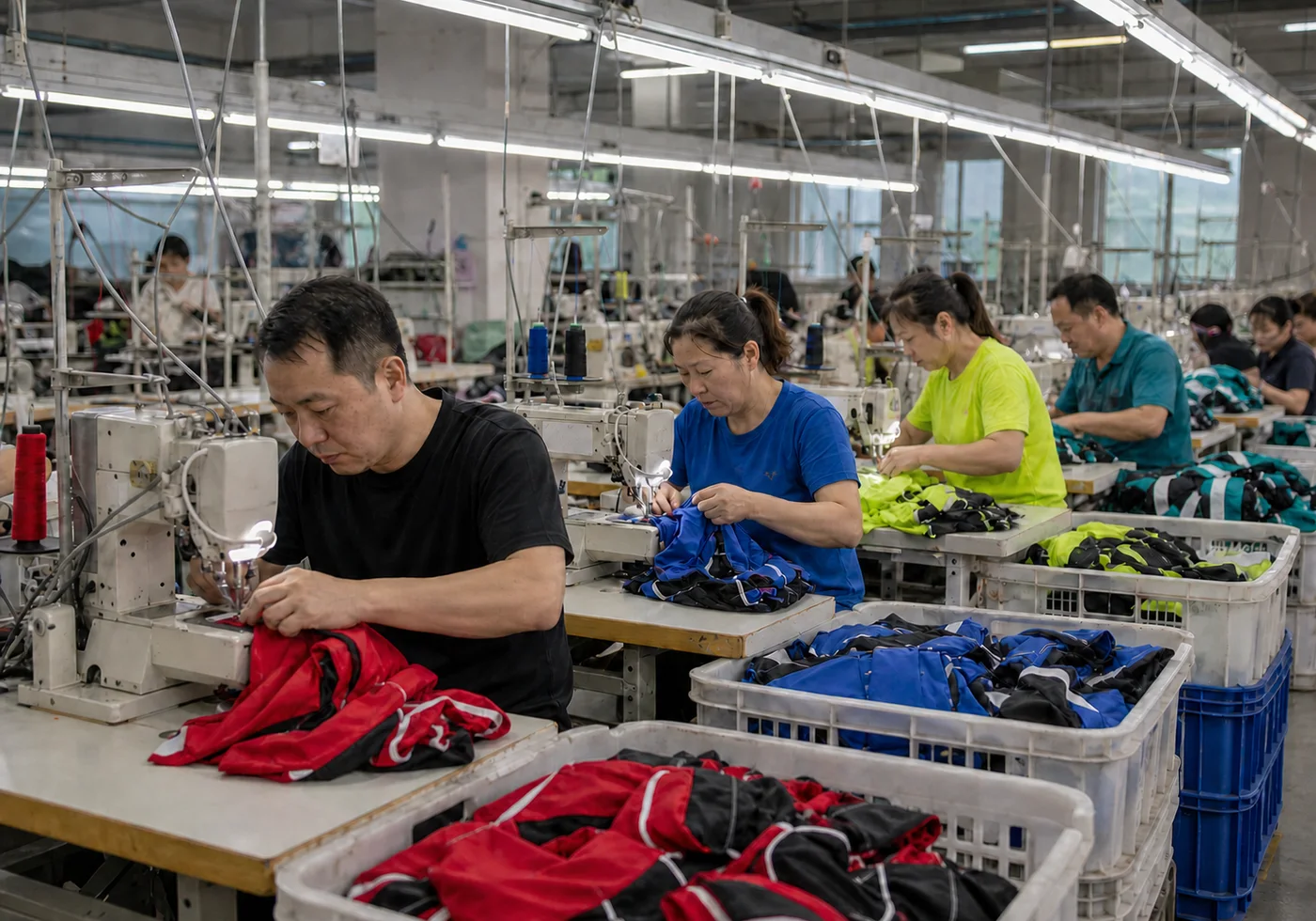
The production base every path on this page runs through.
Sample Sign-Off: What a Buyer Checks Before Bulk Starts
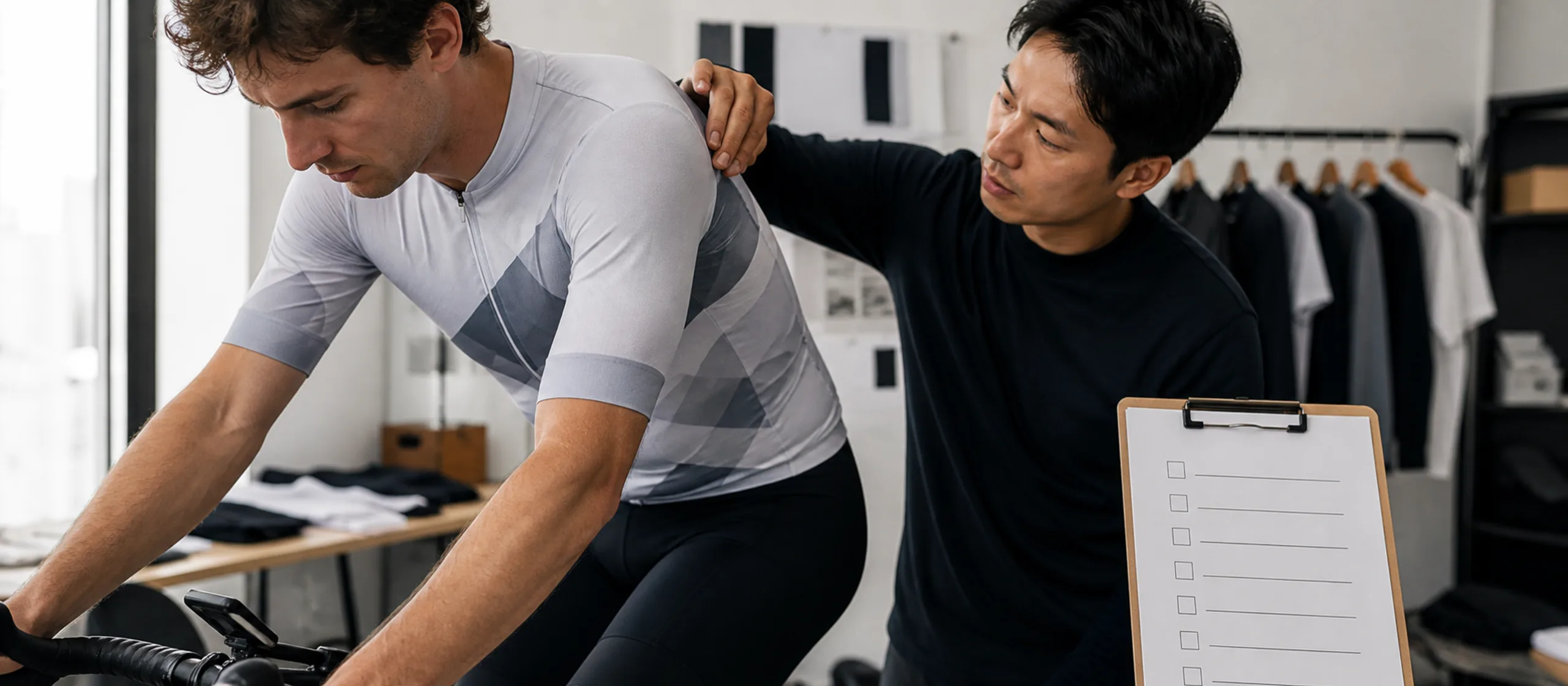
The sample that comes back at the end of Sampling isn't just for approval — it's the checklist a buyer should actually run.
- Fit Against the Riding Posture You ConfirmedTry it in the position it'll actually be worn in, not standing still — a road cut that gaps open when upright is doing exactly what it's supposed to.
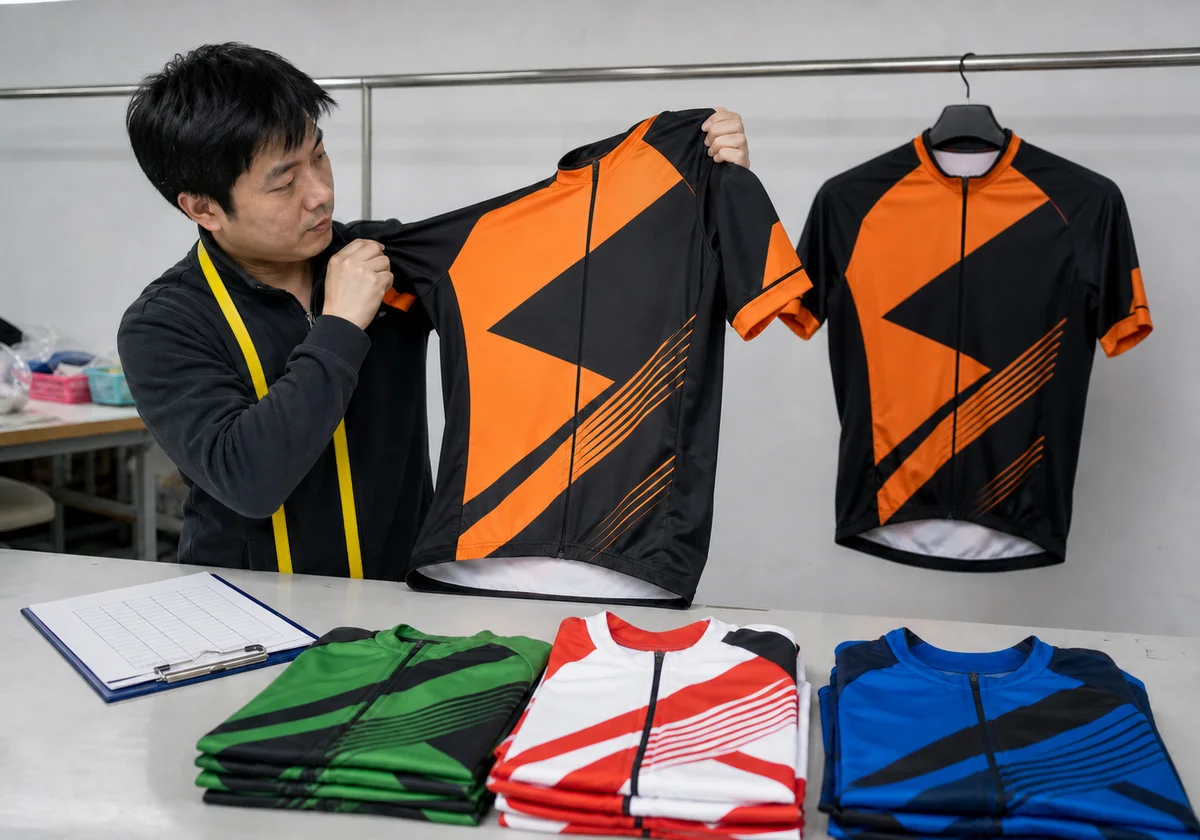
- Print or Embroidery Alignment at Every SeamSublimated graphics and embroidered crests should cross panel seams without a visible break in the pattern or a shift in color.
- Chamois Interface, If a Reference Was ProvidedWhere a chamois pad reference was supplied for development, the seat panel construction around it gets checked for pressure points before bulk.
- Colorfastness Under StretchFabric shouldn't shift shade where it's pulled tightest — typically the seat and shoulder — which only shows up once a garment is actually worn, not flat on a table.
Two confirmation passes are built into this step for exactly this reason — most sign-off notes get resolved inside that window, not after it.
Six Checkpoints Before Anything Ships
What each stage catches, kept separate from how much we can produce.
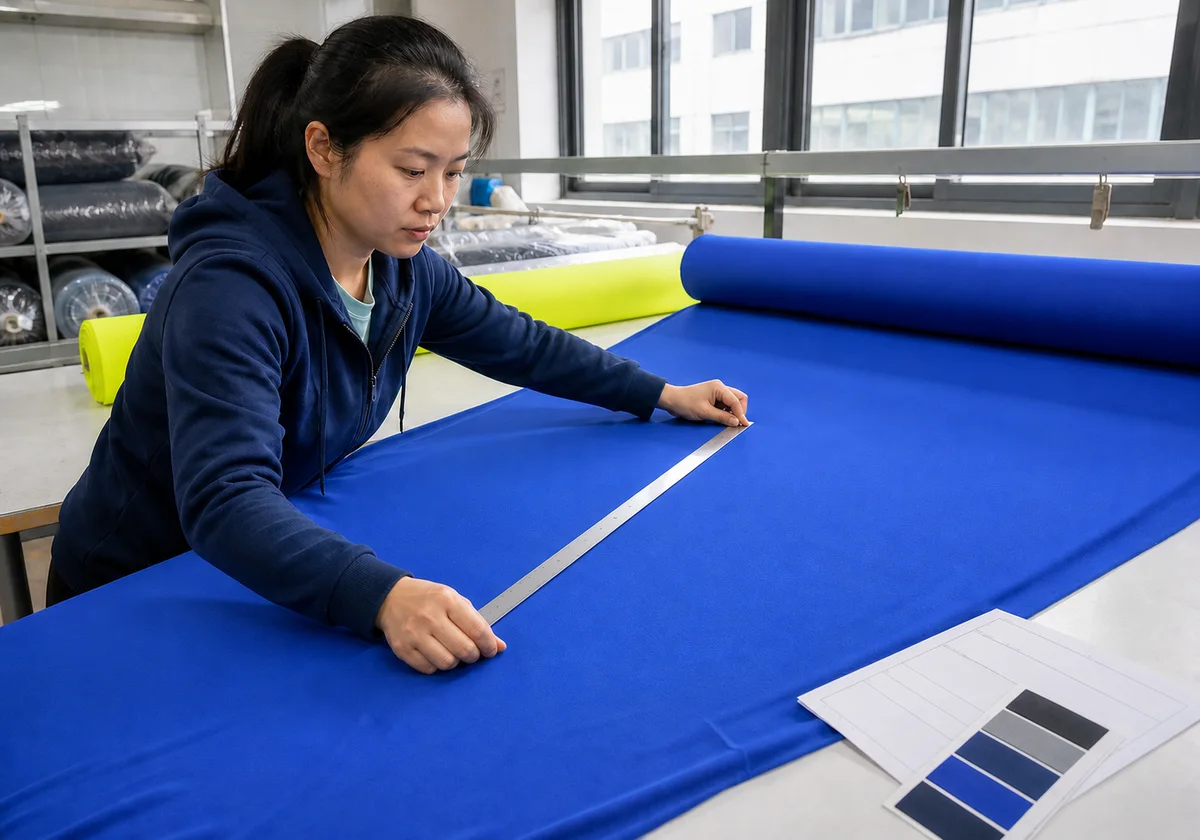
Incoming Fabric & Trim Check
Pattern & Cutting Check
In-Line Sewing Check (underarms / inseams / cuffs)
Mid-Production Random Pull vs. approved sample
Pre-Shipment Inspection vs. signed-off sample
Final Packing & Documentation Check
What Each Lead-Time Number Means for Your Order Window
Read backward from your season or event date.
5–7 days
Sample lead time — latest date to send a complete tech pack
20–30 days
Bulk production from sample sign-off — latest date to sign off
12–15 days
Rush option, if confirmed in advance of sign-off
2 rounds
Sample revision included — confirmation passes before the window moves
Qualifying for a Rush Timeline Before a Fixed Event Date
The rush option above only works if it's confirmed before the clock starts — here's what has to happen, and when.
Confirmed in Advance
Rush scheduling gets locked in before sample sign-off, not requested partway through a standard run already in the queue.
Fabric & Decoration Already Settled
A rush slot assumes fabric tier and decoration method are already confirmed from the sample stage — a spec change mid-rush resets the clock.
One Fixed Ship Date, Not a Range
Event organizers give a single delivery date to hold the line slot against, the same way a two-shipment event delivery gets scheduled below.
Outside those three conditions, a fixed-date order still runs — just on the standard production window instead of the compressed one.
Four Buyer Programs, in Their Own Numbers
One program per buyer path, described by scale and structure, not by name.
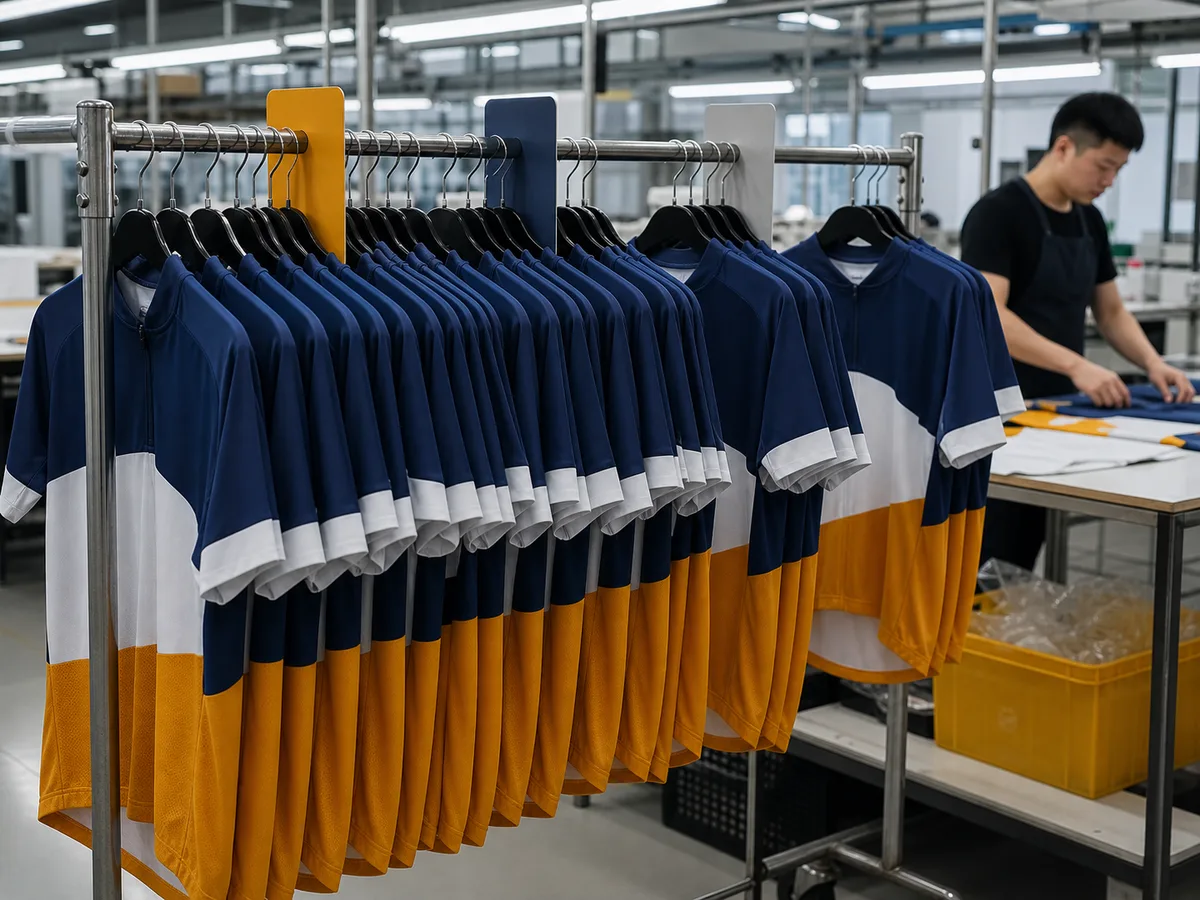
Clubs & Teams
A North American amateur cycling club: 8 squads, 30 kits/squad, 240 pieces total across one season, repeated 3 consecutive seasons with pattern/colorway held on file.
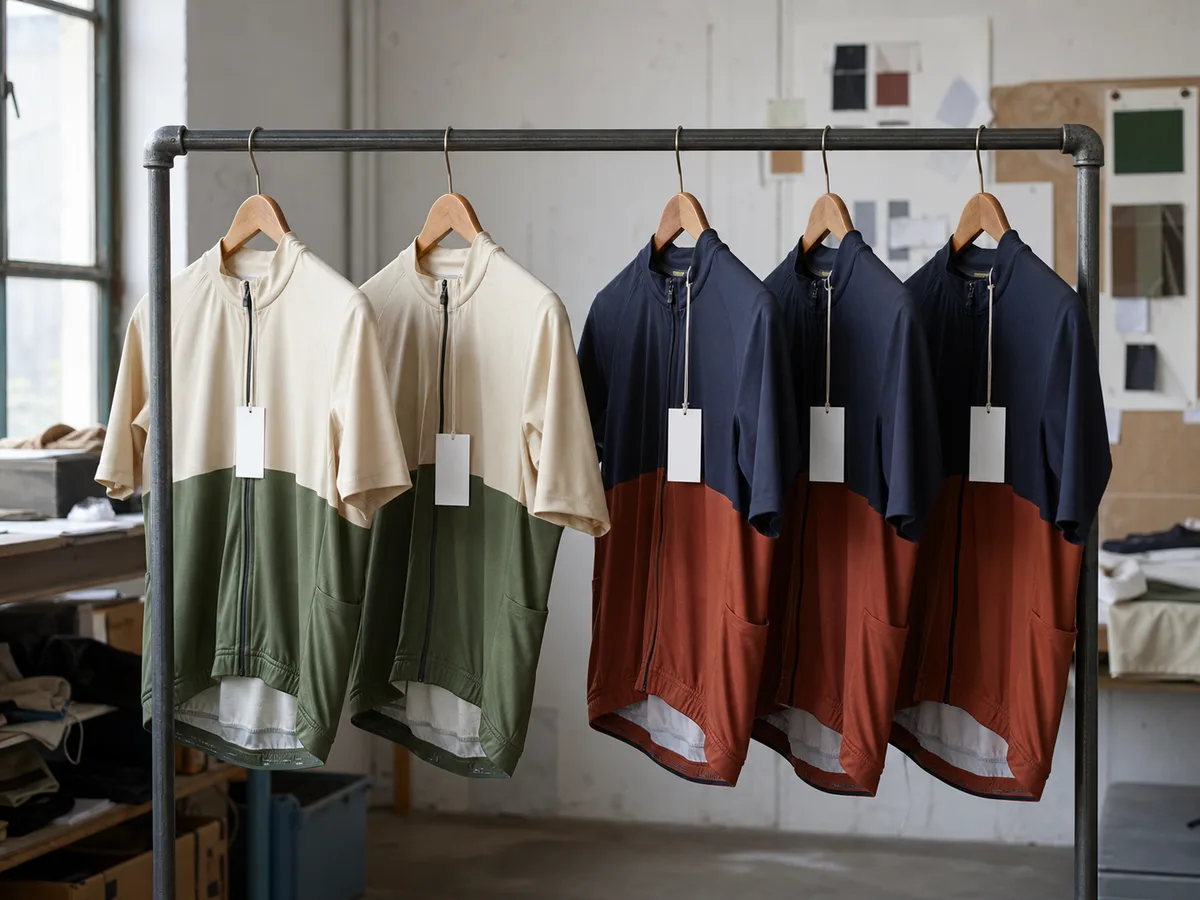
Brands & DTC Startups
A newly launched DTC brand: 6 SKUs, 2 colorways each, 30 pieces/colorway, 360 pieces total for the first season, own main label and packaging.
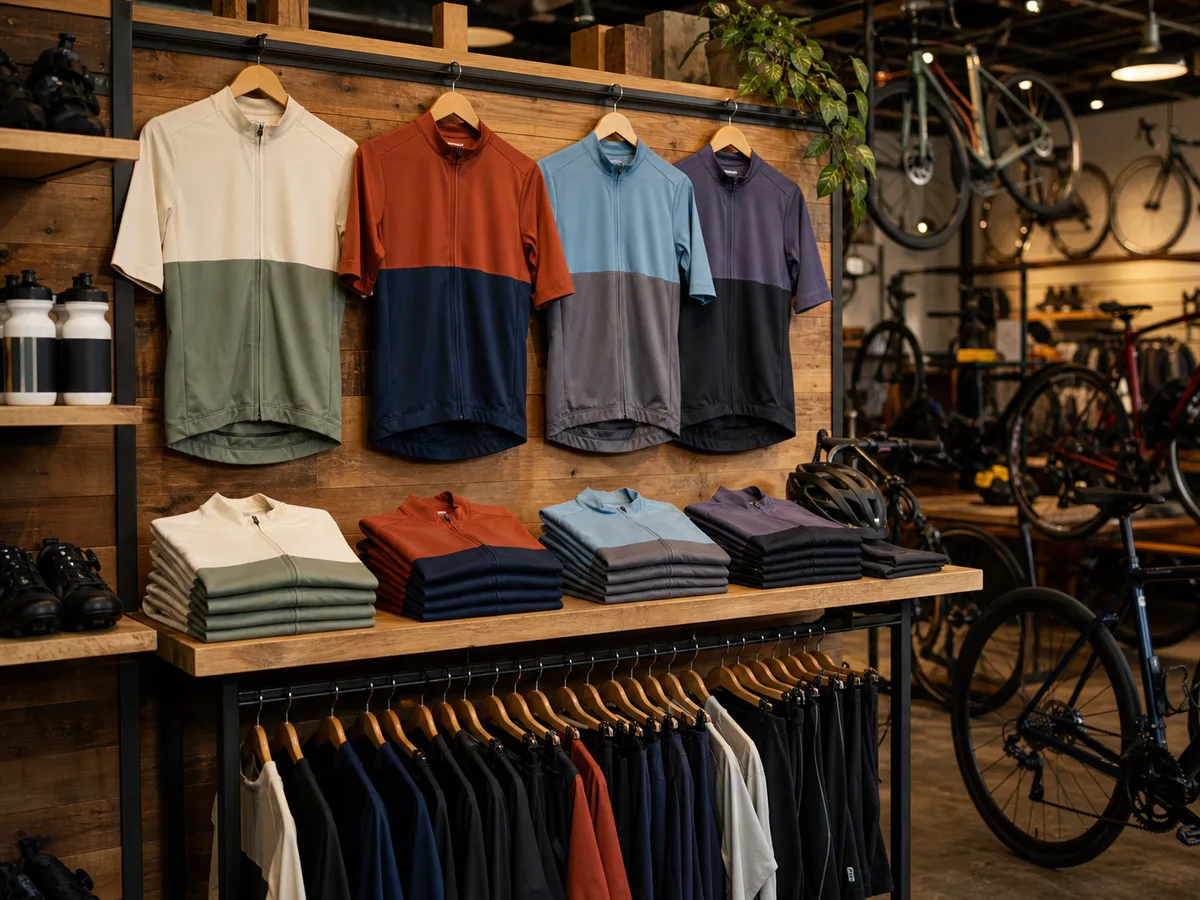
Bike Shops & Retailers
An Australian bike shop chain: joint order across 3 stores, house-brand jersey in 4 standing colors, restocked quarterly.
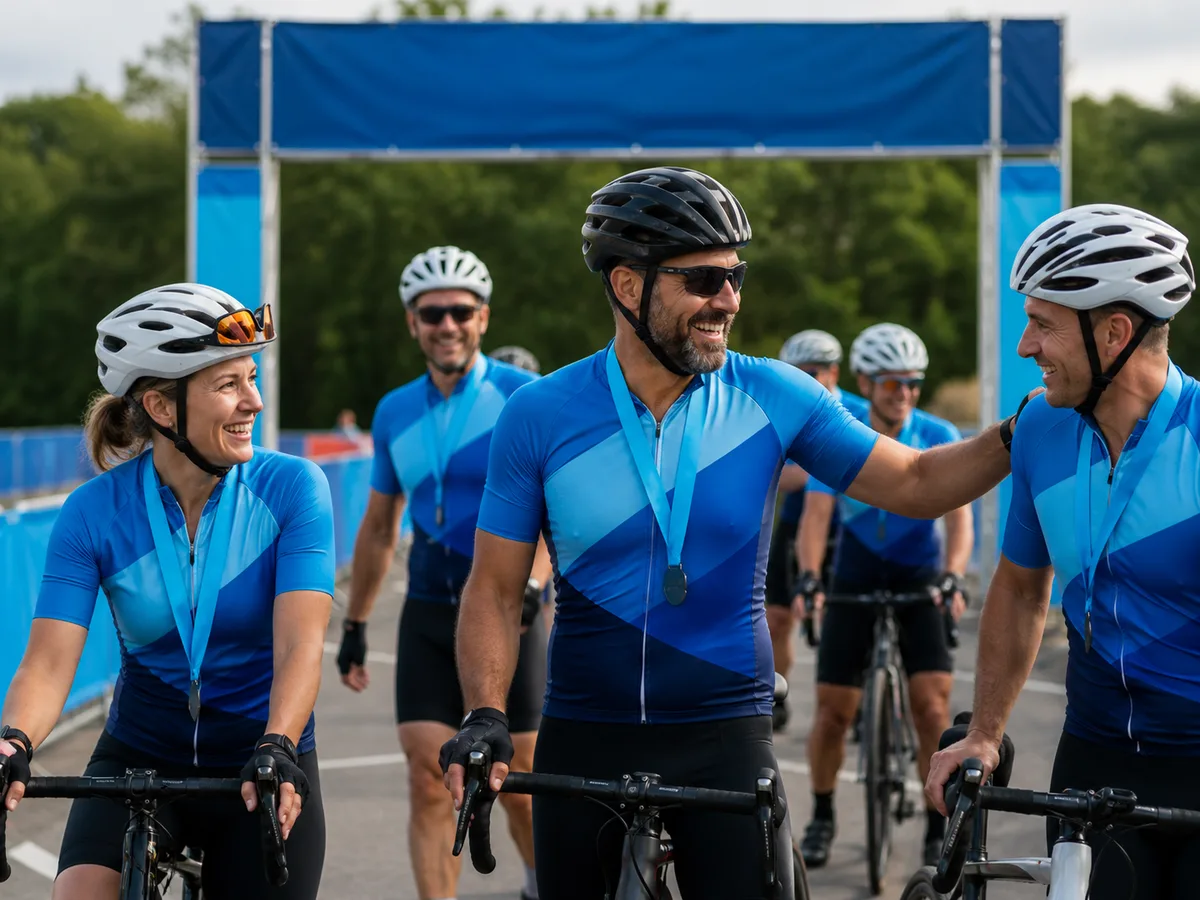
Events & Corporate Orders
A European amateur road cycling event: finisher's jersey, 1,800 pieces, delivered in 2 shipments on day 22 and day 28, inside the 20–30 day bulk window.
Standing Colorways & House-Brand Restock Logic
A house-brand line runs differently from a one-time kit order — it's built to be reordered on a schedule, not just once.
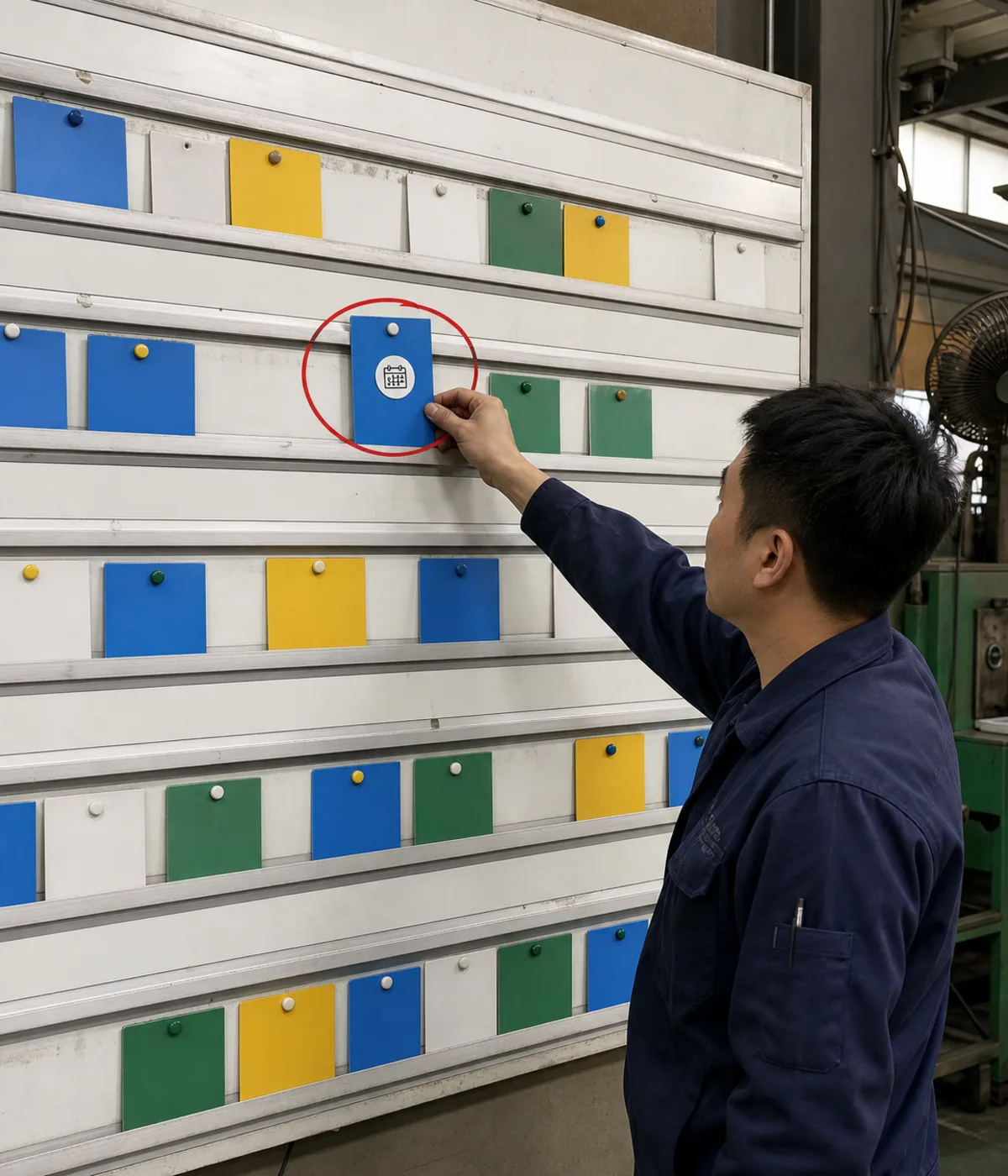
- A Fixed Colorway Set, Not a Rotating OneFour standing colors stay in the file long-term, so restocks match what's already on the shelf instead of introducing a new shade each cycle.
- Restock Runs on a Quarterly Rhythm by DefaultQuarterly is the cadence a house-brand line runs on, sized to what a single store or small chain can reasonably hold in stock at once.
- Joint Orders Across Multiple Storefronts Combine Into One FileA multi-location retailer can combine several stores' restock into a single production run against the same standing colorways.
What Happens After Your First Kit Ships
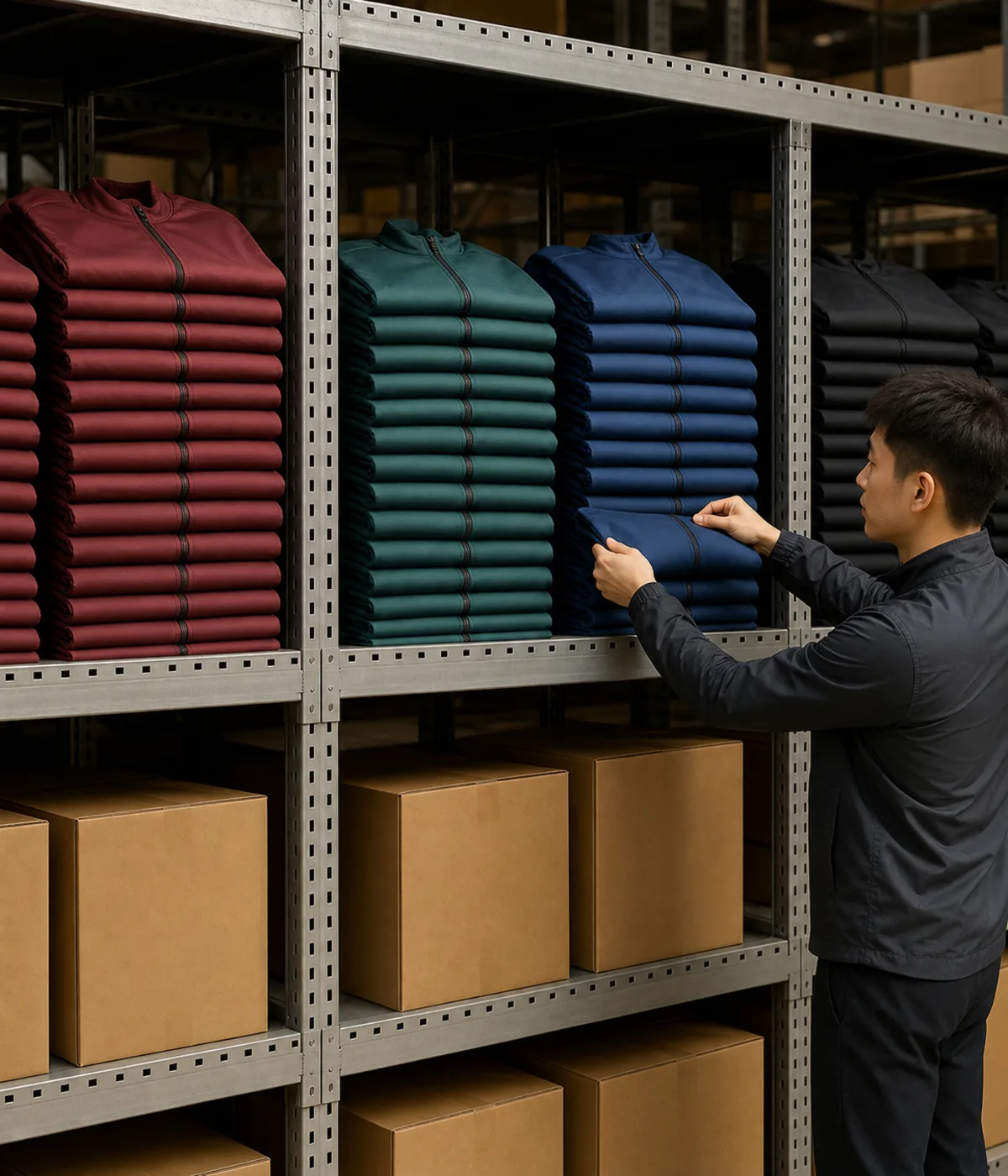
About 55% of the orders running through this factory in a given year are reorders, not first orders — here's what makes that possible.
- Pattern and Spec Stay on FileOnce a first order is confirmed, the pattern, fabric selection, and decoration placement are filed under your account, not rebuilt from scratch next time.
- A Reorder Skips Straight to SchedulingWith the file already on hand, a repeat order moves directly to Bulk Production Scheduling, bypassing pattern development and a first-round sample.
- Colorway or Roster Changes Don't Require a New FileA new colorway, a resized roster, or an added SKU updates the existing file rather than opening a new development cycle.
Chamois & Bib Development, When You Bring the Pad Reference
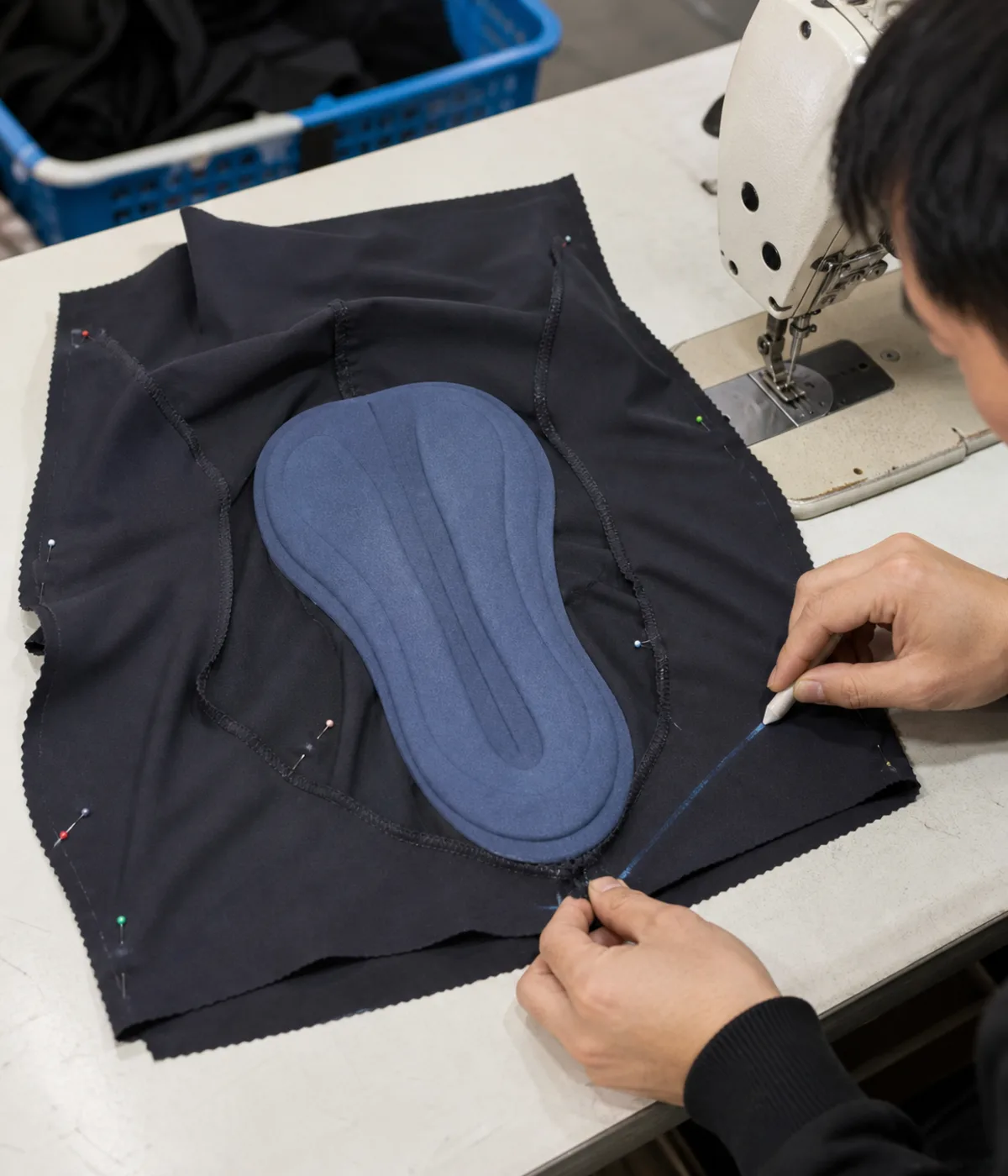
This isn't a finished bib product — it's a sampling capability for buyers who already have a chamois pad supplier and want a compatible garment built around it.
- You Supply the Chamois ReferenceA pad spec sheet, a physical sample from your existing supplier, or a reference product is the starting point — this factory doesn't manufacture chamois pads itself.
- Seat Panel Construction Gets Built Around ItPanel shaping, seam placement, and compression zones get developed to fit the pad reference you provide, following the same sampling step used for every other project.
- It Ships as a Development Sample, Not a Catalog ItemThe output is a physical sample for your review and revision, the same two-round process used across every other product on this page — not a pre-built item pulled off a shelf.
What that means in practice, and what's explicitly out of scope, is laid out directly below.
Seen Enough? Start Your Program
Whichever of the four case programs above is closest to yours, the next step is the same message.
Start Your Kit ConversationWhat We Don't Make
A short, plainly stated list, so it doesn't cost you a sampling round to find out.
- Finished cycling bibs — not a current product line; can be scoped as a sampling project.
- Chamois-spec finished shorts — development/sampling only, against a reference spec you provide.
- Tri-blend 48/45/7 fabric — our range is two-component nylon/spandex only.
- Non-apparel hardware — helmets, gloves, shoes, cycling computers — outside our scope entirely.
Markets This Factory Ships To
Twenty-plus countries, concentrated in three regions — each with a slightly different buyer mix.
The chip strip near the top of this page names the individual countries; what it doesn't show is how the buyer mix shifts from one region to the next.
North America
The largest share of club and team reorders on file, alongside a growing number of first-season DTC brands.
Europe
UK, Germany, France, Netherlands, and the Nordics — the widest spread of buyer types, from amateur road event organizers to bike-shop house-brand programs.
Australia
Smaller in order count, concentrated in multi-store retailer programs like the joint order described above.
Certifications Behind Every Order
Three certifications, each answering a different question a buyer asks before committing.
ISO 9001:2015
Quality management system — the way an order is specified, checked, and recorded follows a written procedure.
OEKO-TEX® STANDARD 100
Class II, apparel-use level — what's in the fabric.
BSCI
Social-compliance factory audit — the labor/workplace side.
Start the Conversation
One form, four fields, for any of the four buyer paths on this page.
Tell us your riding scenario, your buyer type, and roughly how many pieces. Four fields is enough to start.
- Your design and tech pack stay confidential — never shown as portfolio work without written permission.
- You can inquire before a complete tech pack exists — concept and reference images are enough to start.
- Certification documentation (ISO 9001:2015 / OEKO-TEX® / BSCI) is available on request during quoting.
Inquiries are answered within 24 business hours, and a quote follows within 48 hours once a complete tech pack is in hand.